Travis Heights
The area has managed to maintain much of its historic charm while evolving with the city around it.
The area has managed to maintain much of its historic charm while evolving with the city around it.
6,383 people live in Travis Heights, where the median age is 38 and the average individual income is $97,474. Data provided by the U.S. Census Bureau.
Total Population
Median Age
Population Density Population Density This is the number of people per square mile in a neighborhood.
Average individual Income
Travis Heights is one of those rare Austin neighborhoods where the city seems to bend around the land instead of the other way around. Tucked into the rolling hills just south of Lady Bird Lake, it's an upscale, heavily wooded enclave where streets curve and dip around century-old live oaks rather than marching in a tidy grid. Sitting in the heart of the 78704 ZIP code, it's bounded by South Congress Avenue (SoCo) to the west, Interstate 35 to the east, the lake to the north, and Oltorf Street to the south.
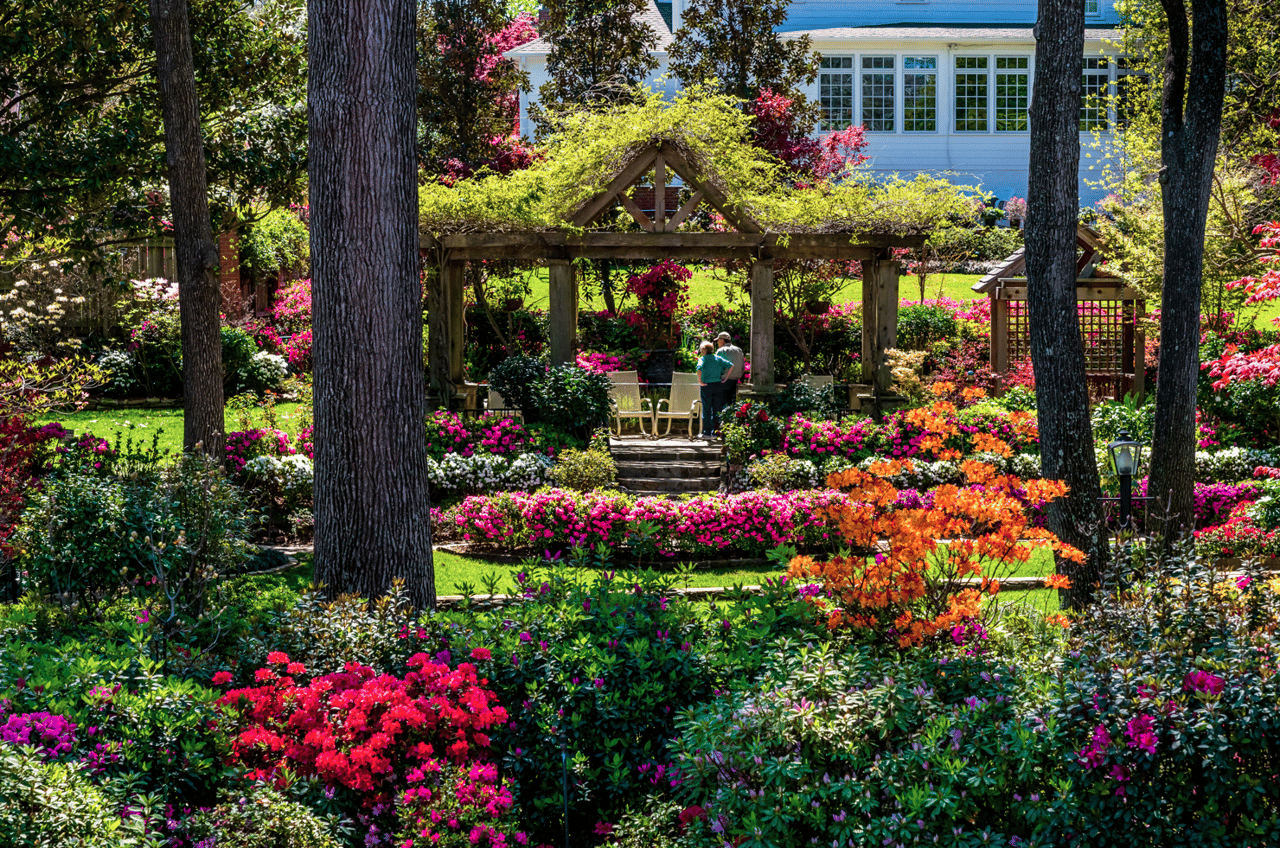
What makes the neighborhood special is its split personality, in the best way. Step inside and you're in a serene, tree-canopied sanctuary with a spring-fed swimming hole, a creek-side greenbelt, and homes that range from 1920s mansions to glass-and-steel modern builds. Step a block west and you're on South Congress, with some of the best dining, shopping, and live music in Texas. Few places in the city let you live this quietly while staying this close to everything.
Travis Heights holds the distinction of being one of Austin's first planned developments south of the river. The land traces back to mid-1800s Texas pioneers, including Edward Burleson, who served as Vice President of the Republic of Texas. Decades later, a wealthy Austinite named Charles Newning began assembling parcels with the ambition of building a premier residential suburb across the Colorado River.
The neighborhood took its real shape in 1913, when Newning partnered with General William H. Stacy, whose name now graces the local parks and pools. Together they marketed Travis Heights as an exclusive, scenic retreat minutes from downtown. The key that unlocked it was infrastructure: the extension of the streetcar line across the Congress Avenue bridge made commuting from the south side practical for the first time. By the 1920s, a building boom was underway, with prominent families raising grand estates while working-class craftsmen built the detailed bungalows that still line the winding streets.
After a quieter mid-century stretch, the neighborhood was rediscovered in the late 1970s and 1980s by musicians, artists, and young professionals drawn to its historic charm and central location. That wave cemented the creative, slightly bohemian identity Travis Heights still carries today, even as property values have climbed into the upper tier of the Austin market.
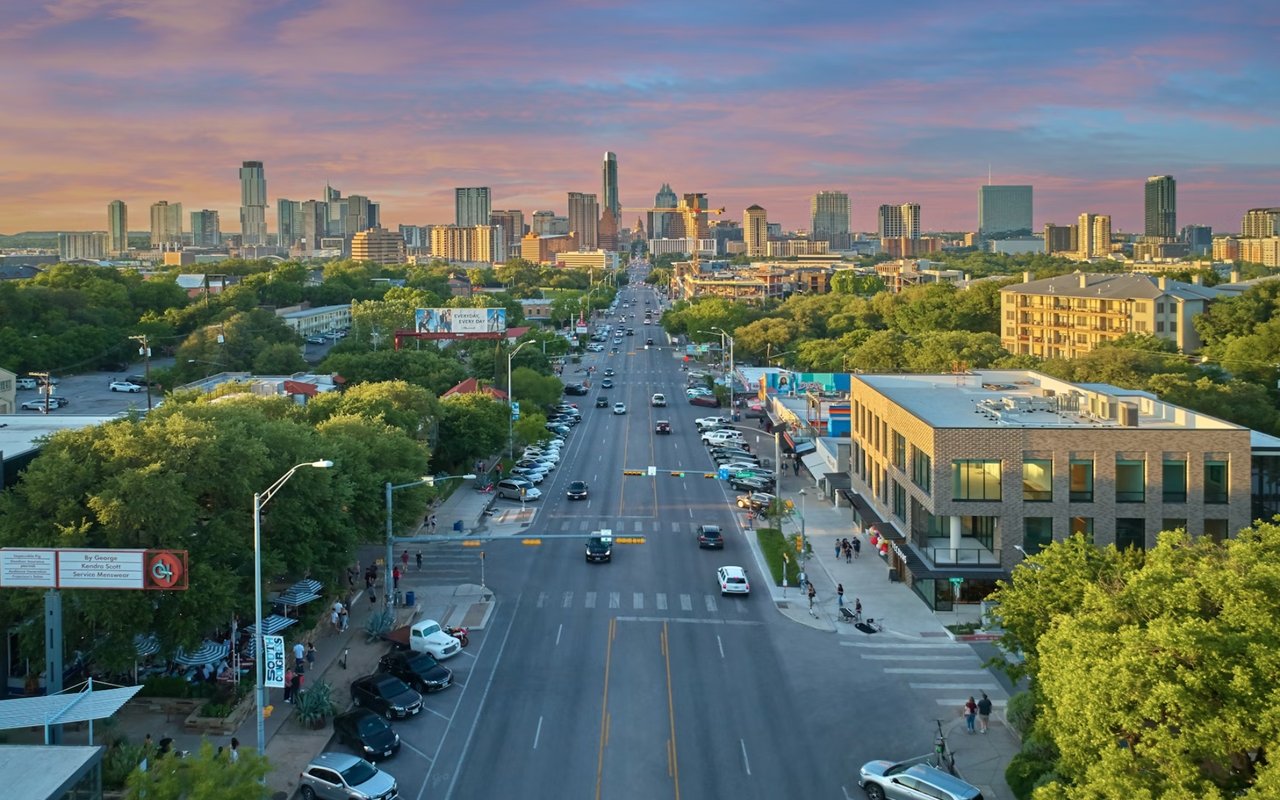
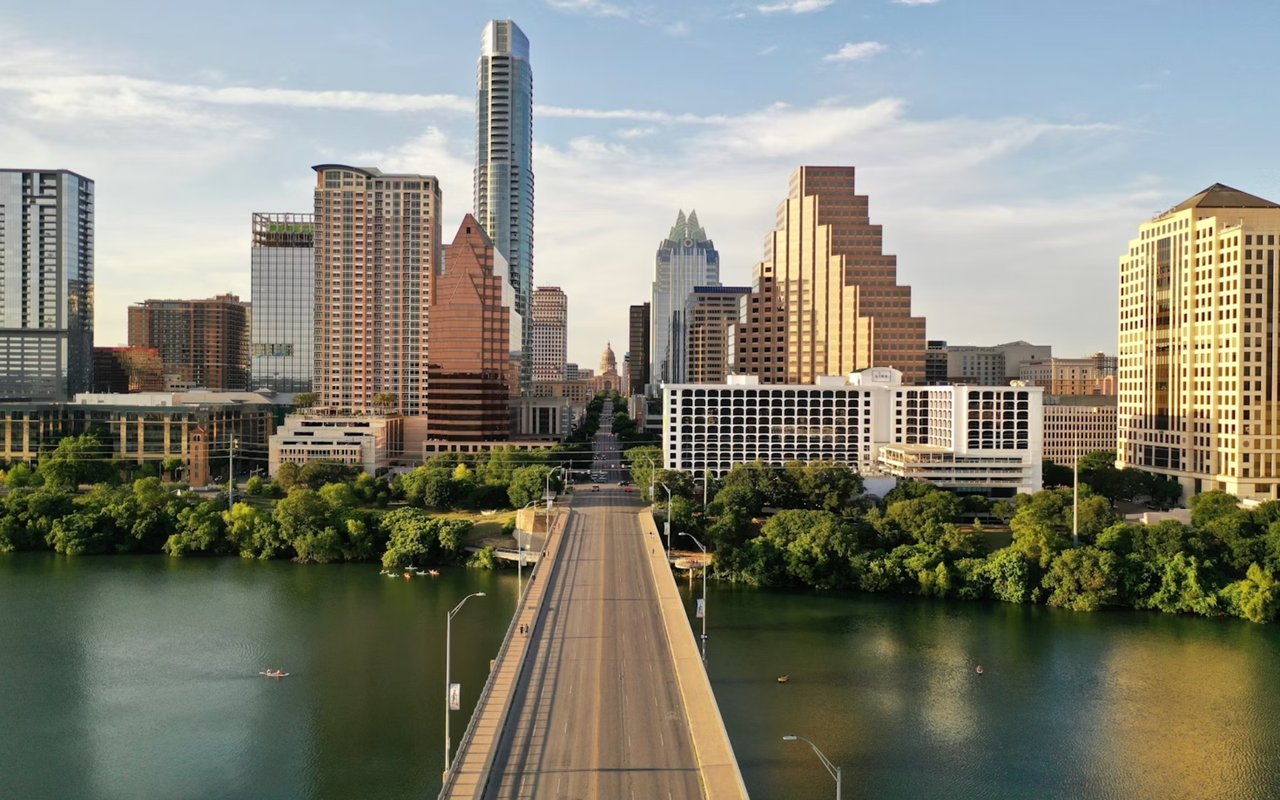
Position is a large part of what makes this neighborhood so coveted. Travis Heights sits in south-central Austin, less than two miles from the center of downtown, yet it reads as a genuine residential neighborhood rather than an urban extension. Lady Bird Lake forms the northern edge along the Norwood complex and adjacent parkland, while Oltorf Street anchors the south as a major east-west connector. To the west, South Congress Avenue puts the retail and dining strip within walking distance, and to the east, Interstate 35 offers a direct shot north into downtown or south toward San Antonio. Those four hard borders give the neighborhood a clear, contained footprint that's easy to picture and easy to fall in love with.
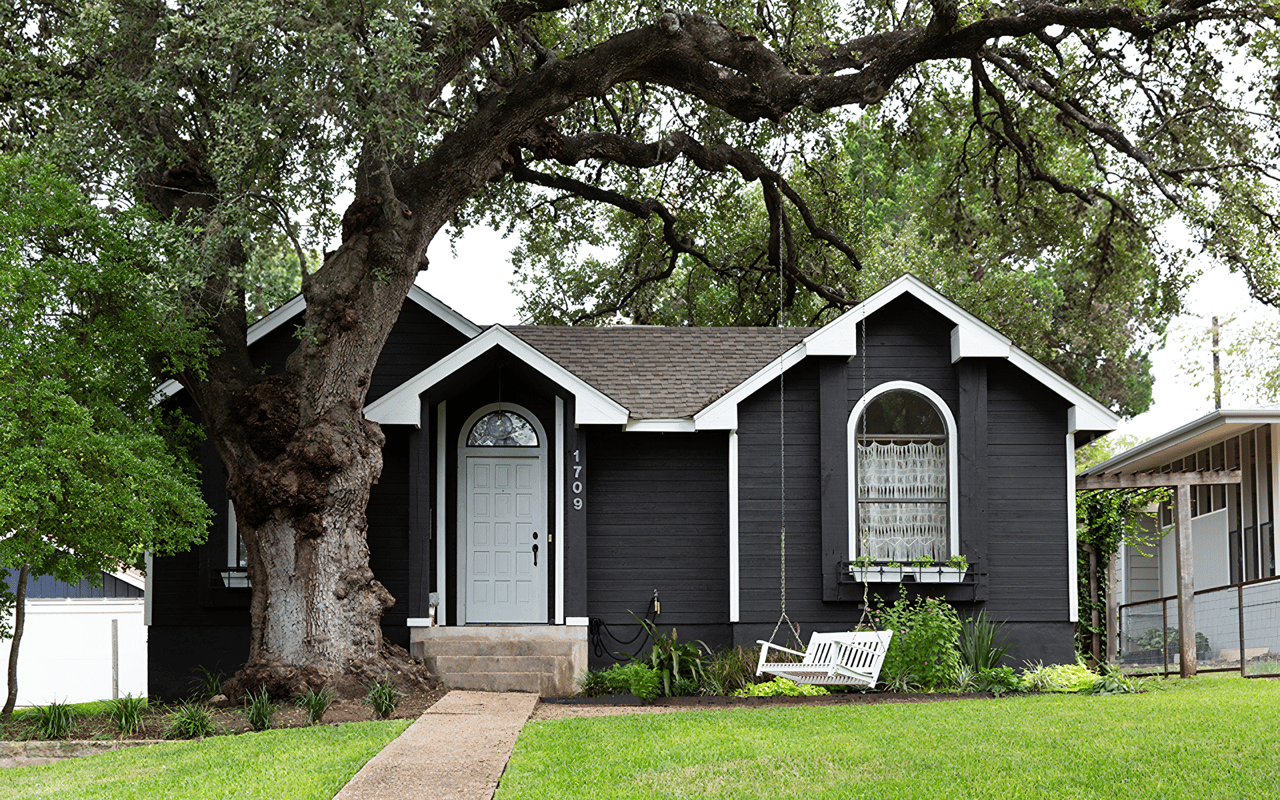
If you tour Travis Heights, the first thing you'll notice is that almost no two houses look alike. Because the neighborhood grew in waves over a century and survived decades of change, its architecture is a layered record of Austin's history rather than a single developer's vision.
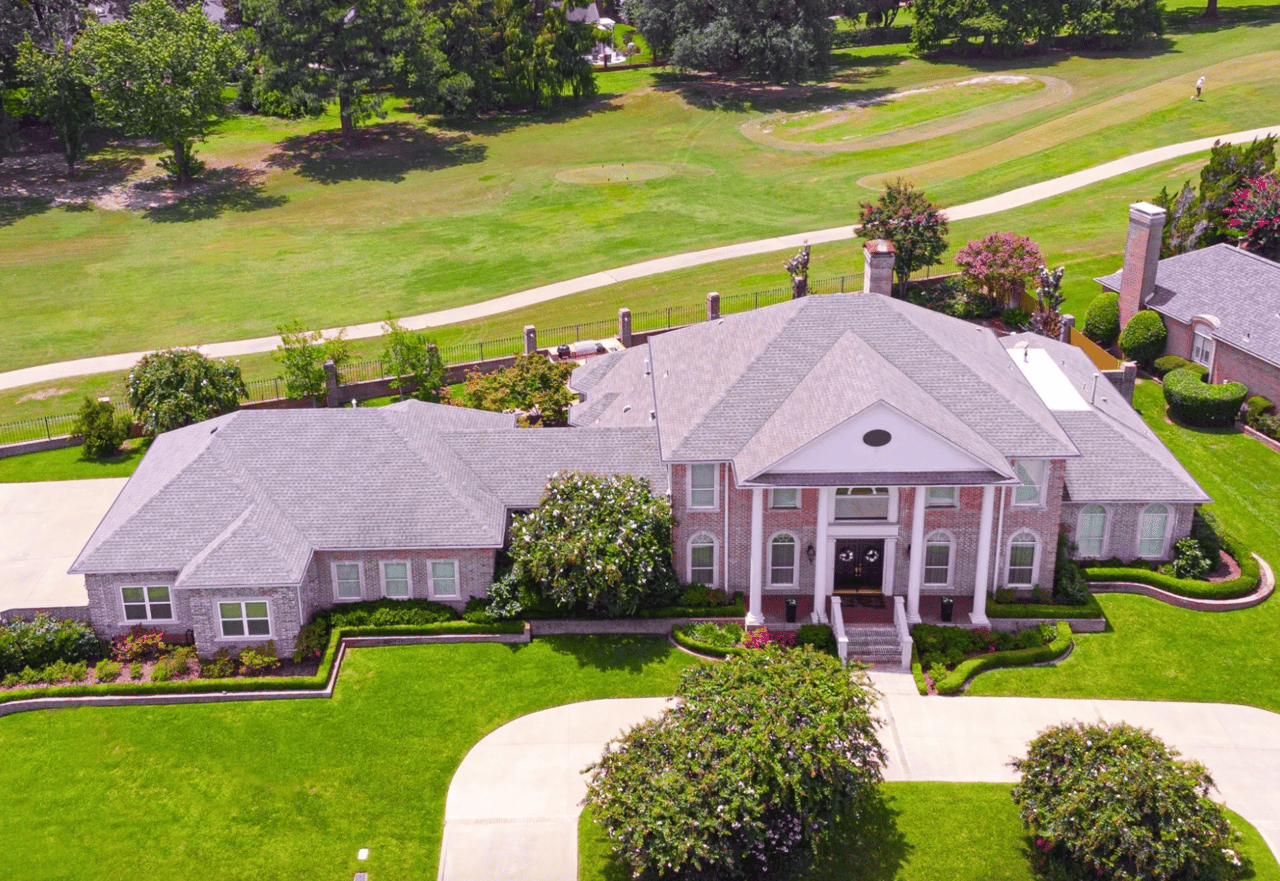
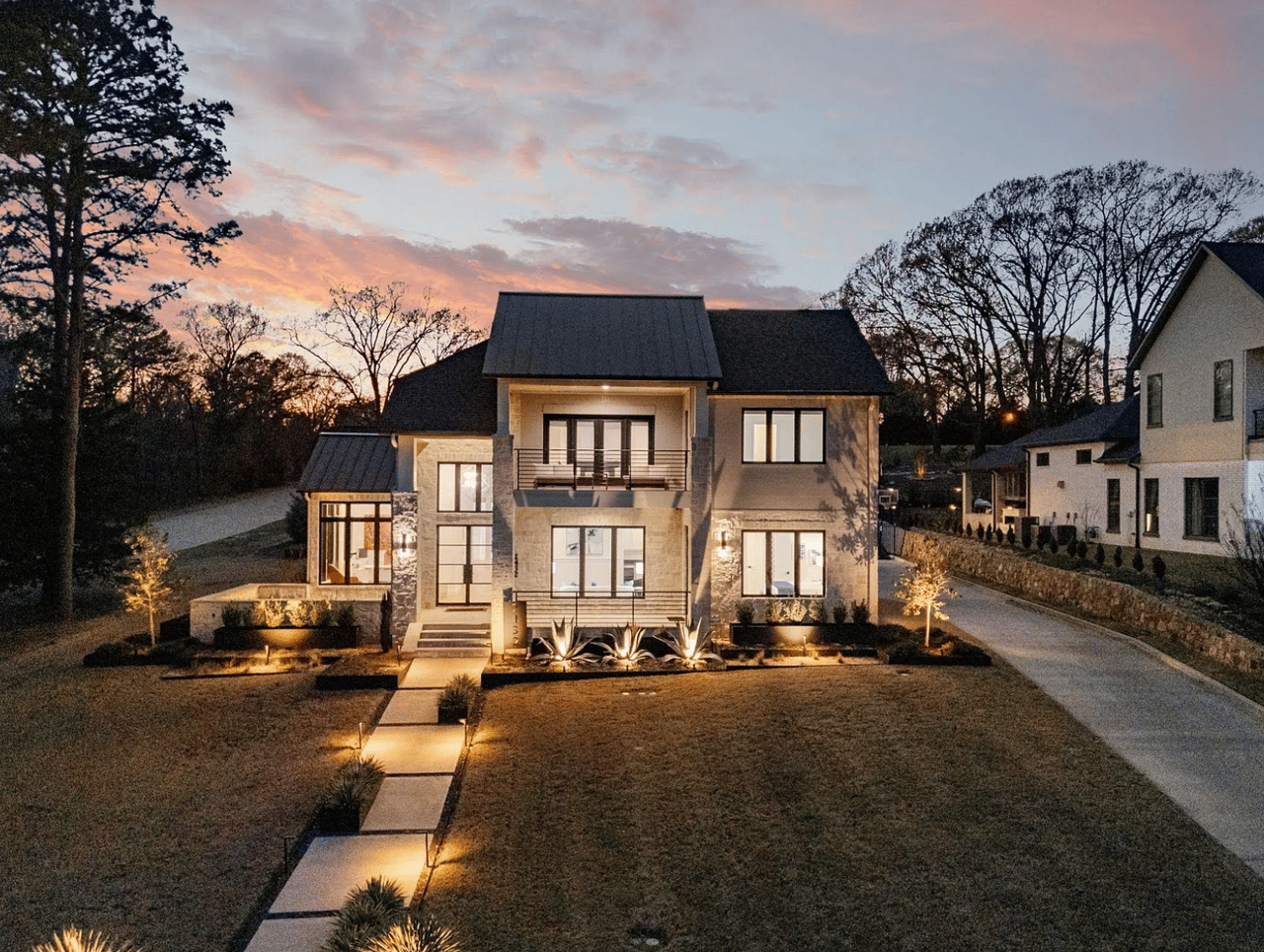
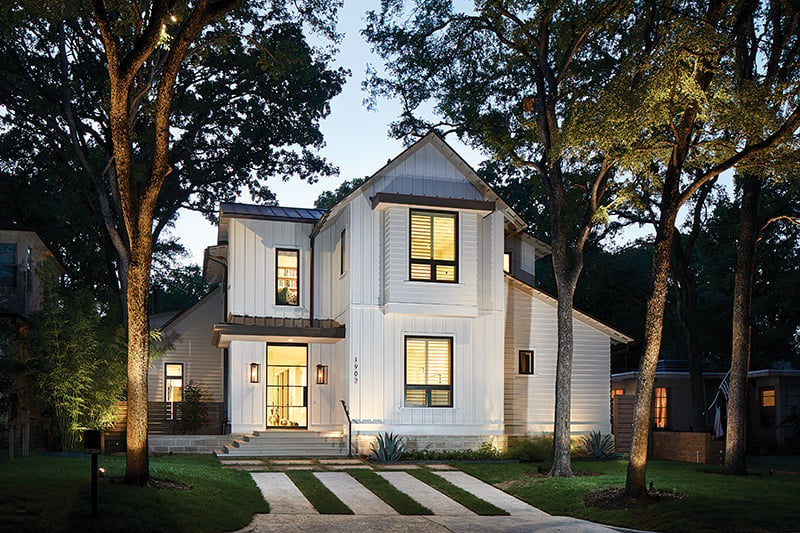
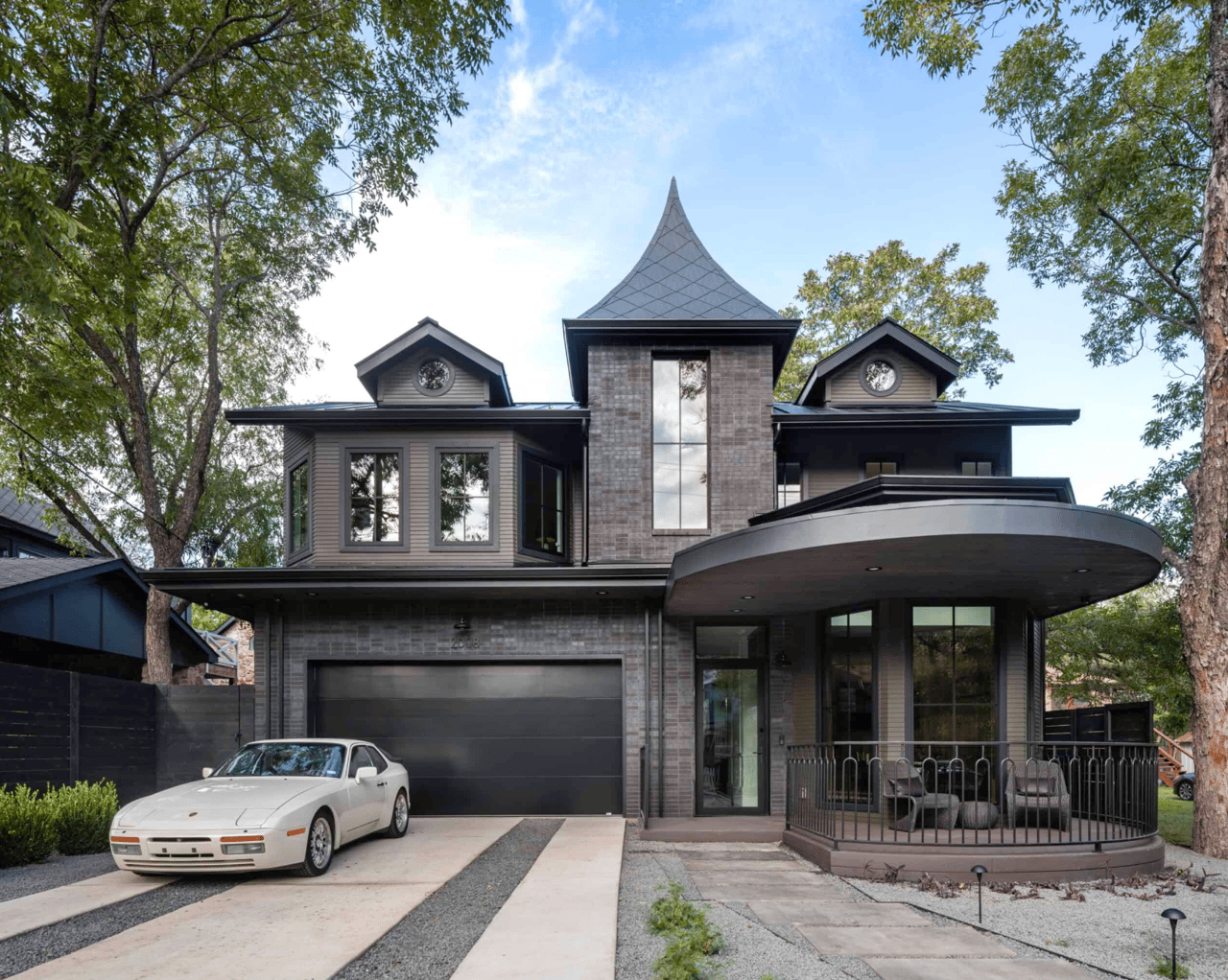
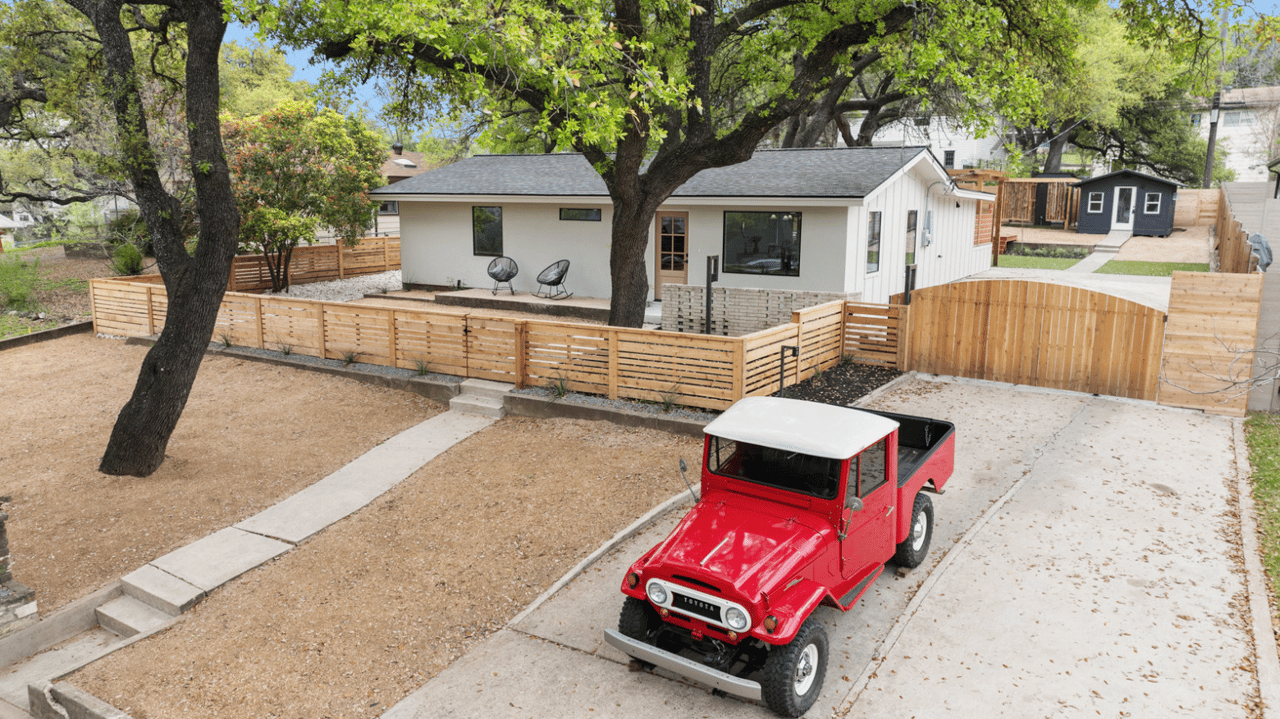
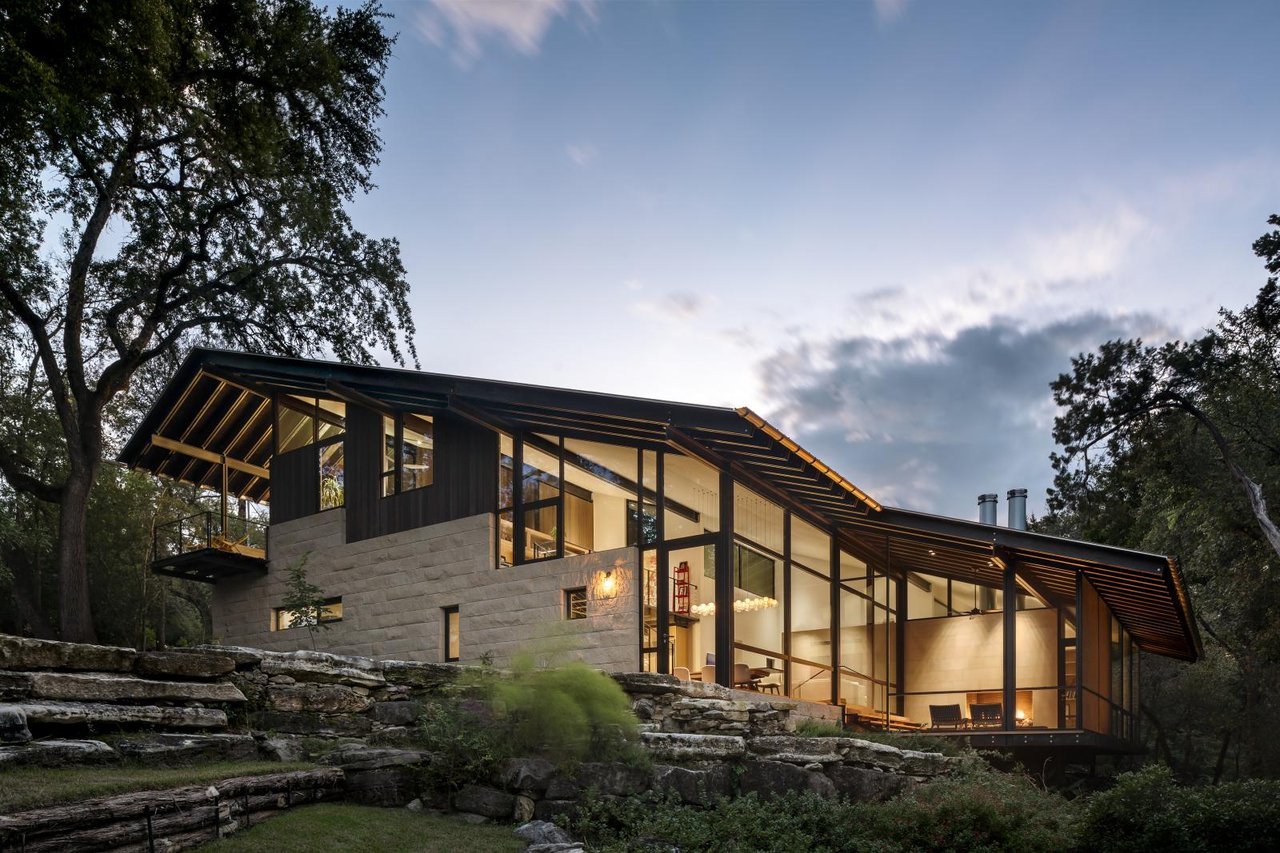
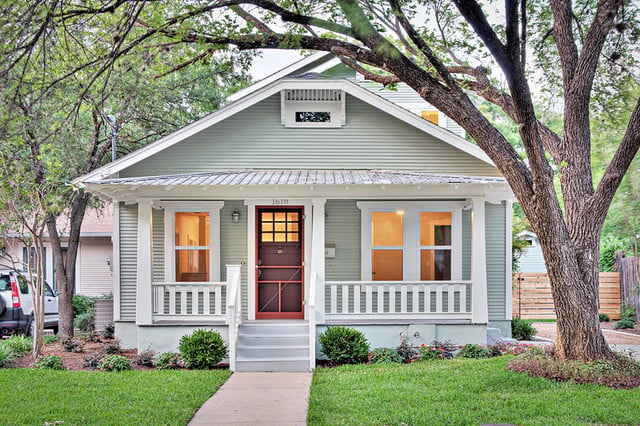
The 1920s through 1940s gave the area its signature craftsman bungalows and cottages, with deep front porches, exposed rafter tails, and stout wood or stone columns. Many have been carefully restored or expanded from the rear to protect their historic street faces. Scattered across the hills, particularly on streets like Fairview Park, are larger period-revival estates in Colonial, Spanish Colonial, and Tudor styles. You'll also find modest post-war ranch homes from the 1950s and 60s, and increasingly, hyper-modern custom builds that use glass, steel, and natural wood, often designed to wrap around protected heritage oaks.
The market reality behind all this character is simple: land here is scarce and protected, which keeps values high. Smaller original bungalows tend to start in the high $700,000s to $800,000s, while modern builds and historic estates routinely climb past $2.5 million. It remains one of the most resilient and prestigious micro-markets in the city, which is exactly why it tends to hold value even when the broader market cools.
Living in Travis Heights carries a real premium, and it's worth understanding why. While the broader Austin market corrected from its 2022 peak, with the citywide median settling somewhere around $400,000 to $435,000, Travis Heights operates in its own protected micro-market and largely follows its own rules. Everyday costs like groceries, utilities, and healthcare line up with Austin averages; it's housing that defines this as a luxury neighborhood.
Here's how the core numbers tend to break down:
Expense | What to expect |
|---|---|
Median home price | Roughly $950,000 to $1.5 million+, with unrenovated bungalows occasionally starting in the high $700,000s and large modern or historic homes exceeding $2.5 million |
Average rent | $2,200 to $3,500+ per month for apartments, and considerably more for standalone single-family homes |
Property taxes | Travis County rates typically run 1.8% to 2.2% of assessed value, and because valuations here are high, taxes are a meaningful part of annual carrying costs |
The honest takeaway is that the entry point hovers near the million-dollar mark, and the property tax structure is something every buyer should budget for carefully before falling for a porch.
Travis Heights is served by the Austin Independent School District, and its feeder pattern is unusually tight and walkable. The neighborhood's own Travis Heights Elementary, near Big Stacy Park, operates as an in-district charter with a dual-language program, an arts and service-learning focus, and a habit of using the greenbelt as an outdoor classroom. From there, students typically move to Lively Middle School on West Mary Street, known for its Law and Humanities magnet program, and then to Travis Early College High School, which partners with Austin Community College so students can earn college credit, or even an associate degree, free of charge.
Because the location is so central, families also have strong alternatives. The selective Liberal Arts and Science Academy (LASA) draws students citywide, and well-regarded private schools like St. Andrew's Episcopal and Headwaters School sit just across the river or in nearby central neighborhoods. Austin's open-transfer policy gives families additional flexibility to apply outside their zone when space allows.
This is where Travis Heights truly separates itself. The neighborhood feels less like a subdivision and more like a nature preserve that happens to border downtown. The Blunn Creek Greenbelt cuts straight through the center, with a shaded multi-use trail running alongside limestone creek beds and towering heritage oaks, ideal for a morning run, a dog walk, or simply escaping the Texas heat.
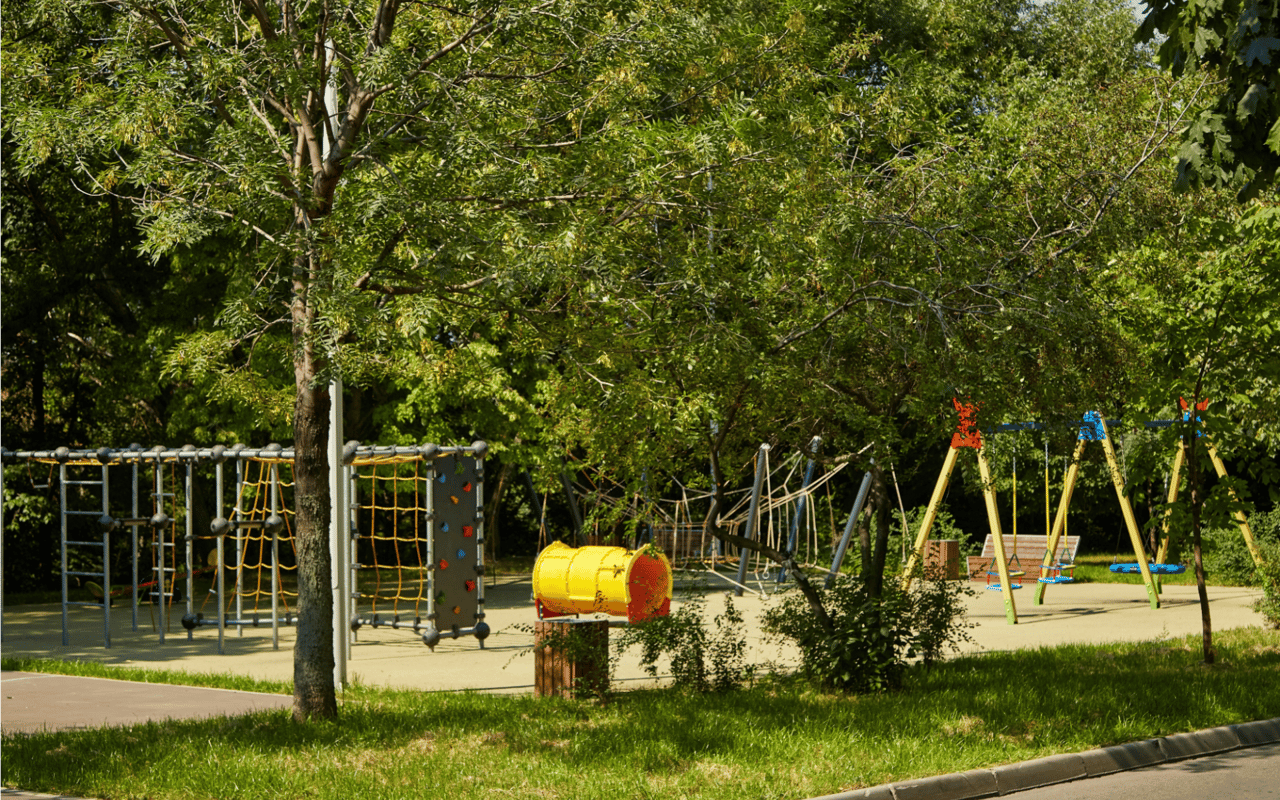
At its heart is Big Stacy Park and its beloved free public pool, fed by an underground artesian well that keeps the water warm enough for year-round lap swimming. A short walk up the trail, Little Stacy Park is built for families, with a children's wading pool, a modern playground, tennis and basketball courts, and shaded picnic areas. On the northern edge overlooking Lady Bird Lake, the Norwood Estate Dog Park gives off-leash dogs room to roam beside the slowly restoring historic Norwood house. For a neighborhood this central, the sheer amount of accessible green space is genuinely uncommon.
Travis Heights itself is almost entirely residential, but its western edge is South Congress, which means world-class food and coffee are usually a short walk away. Mornings often start at Jo's Coffee, home to the famous "I love you so much" mural and a signature iced Turbo, or at Magnolia Cafe, the legendary 24-hour-spirited diner known for gingerbread pancakes and its Mag Mud queso.
When it's time to linger, the patios do the heavy lifting. Aba draws crowds to a stunning multi-level deck built around a historic oak, serving Mediterranean small plates and cocktails, while Perla's offers fresh oysters and cold beer under its oak-shaded deck right on the strip. And no Travis Heights food roundup is complete without Home Slice Pizza, arguably Austin's most famous pizzeria, whether you sit down for a full New York-style pie or grab a slice from the walk-up window. The range here, from casual taco to upscale evening out, is a big part of the everyday appeal.
You won't find strip malls tucked among the winding streets, and that's by design. Instead, the entire western edge of the neighborhood opens onto South Congress, one of the most famous boutique shopping districts in Texas. Residents can walk or bike out of their tree-covered yards and step straight into a mix of Texas institutions and modern retail.
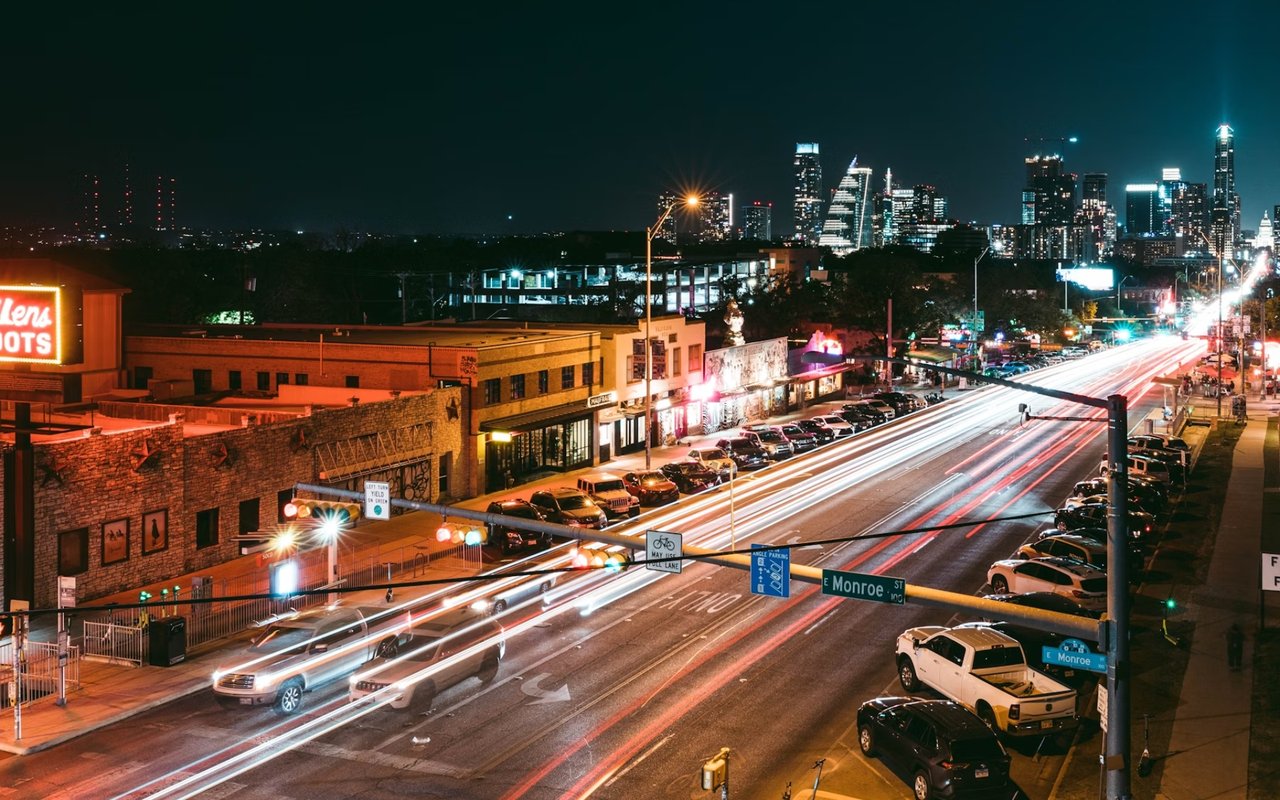
Allens Boots has anchored the strip since 1977, instantly recognizable by the giant red boot out front and its rows of cowboy boots, hats, and leather goods. At the northern end, the sleek Music Lane development has brought contemporary brands like Madewell and Reformation to the doorstep. In between, you'll find local color like Big Top Candy Shop, a circus-themed emporium with an old-school soda fountain, and Maufrais, where you can have a custom wool or straw hat shaped to your liking over a coffee or cocktail. For everyday needs, residents lean on neighborhood staples like Travis Heights Wine & Spirits or make the short drive to the flagship HEB down Oltorf.
Travis Heights is one of the best-positioned neighborhoods in Austin, offering a rare combination of walkability and fast highway access. Getting downtown is effortless: a quick trip north across the Congress Avenue or South First Street bridges puts you in the financial district in five to ten minutes. Because the neighborhood sits right against I-35 and near Highway 71, Austin-Bergstrom International Airport is roughly fifteen minutes away, which frequent travelers come to appreciate quickly.
Inside the neighborhood, walking and biking are a genuine way of life thanks to the dense tree shade and scenic terrain, especially on the western streets feeding into South Congress. For transit, CapMetro runs frequent bus service down South Congress, including the Rapid 801 line, providing a direct, car-free link through downtown all the way up to the University of Texas.
Beyond the neighborhood's own parks, some of Austin's best cultural and outdoor experiences sit right at the edge of Travis Heights. The Ann and Roy Butler Hike-and-Bike Trail borders the northern boundary, a ten-mile loop around Lady Bird Lake that's the go-to for runners, walkers, and cyclists, complete with skyline views and boardwalk stretches over the water. At the lake's edge, you can rent a kayak, canoe, or paddleboard and spend an afternoon on the water.
For music, the Continental Club on South Congress has been a cornerstone of Austin's live scene since 1955, hosting rock, rockabilly, country, and blues nearly every night. And on the first Thursday of each month, South Congress First Thursdays turns the strip into a vibrant block party, with shops open late, musicians on the sidewalks, and artisan booths drawing crowds from across the city. It's the kind of culture you can walk to, which is rare anywhere.
Travis Heights is extraordinary, but it rewards a particular kind of buyer, and after years of working this market, I'd rather you know that going in than discover it later.
You'll likely love it here if you want historical soul over cookie-cutter sameness, with architectural character, century-old oaks, and dramatic topography. It's also one of the few places in Texas where a truly pedestrian lifestyle is realistic, walking to breakfast, shopping, dinner, and live music without reaching for your keys. And if green space matters to you, the direct access to Blunn Creek, Stacy Pool, and Lady Bird Lake offers a connection to nature most central neighborhoods can't match.
It may not be the right fit if you're on a tight budget, since single-family entry prices hover near a million dollars and property taxes add up fast. The rolling hills, winding streets, and protected trees also mean yards are often sloped, shaded, or irregularly shaped, so a large uniform lawn is hard to come by. And while the interior streets are peaceful, you are sitting between I-35 and South Congress; if you're sensitive to occasional urban noise or busy crowds, a quieter pocket further west or south might suit you better.
If Travis Heights sounds like your kind of place, the next step is talking with someone who actually knows these streets, not just the listings on them. Stephanie Taylor, Broker and Owner of Sovereign Place Real Estate, brings more than 30 years of experience across Austin sales, development, and investment, and a genuine fondness for this neighborhood's history, homes, and quirks. She's known for treating real estate as fundamentally human, building lasting relationships with clients and neighborhoods, and she's often sold the same homes more than once across her career. Whether you're buying, selling, or simply trying to understand whether Travis Heights fits your life and budget, she's a resource worth reaching out to. You can contact Stephanie directly at [email protected] or (512) 633-5311, or connect through the Sovereign Place team online.
There's plenty to do around Travis Heights, including shopping, dining, nightlife, parks, and more. Data provided by Walk Score and Yelp.
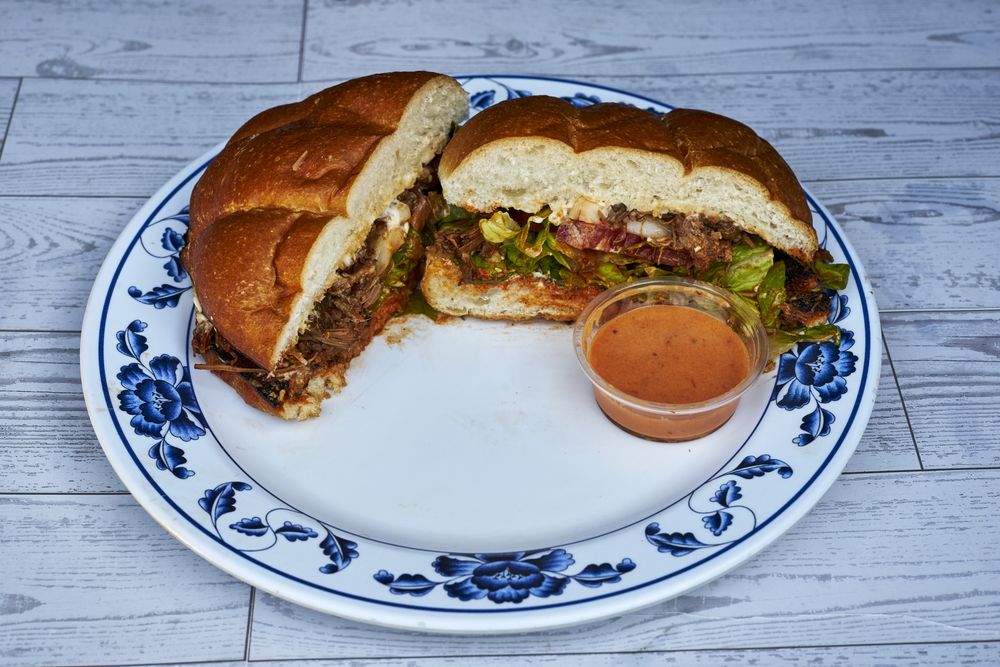
Explore popular things to do in the area, including Tamales y Antojitos Veracruz, Five O Four, and Wishbone Bridge And Unity Underpass.
| Name | Category | Distance | Reviews |
Ratings by
Yelp
|
|---|---|---|---|---|
| Dining | 3.07 miles | 9 reviews | 5/5 stars | |
| Dining | 1.65 miles | 7 reviews | 5/5 stars | |
| Active | 1.79 miles | 6 reviews | 5/5 stars | |
| Active | 3.63 miles | 6 reviews | 5/5 stars | |
| Beauty | 1.89 miles | 7 reviews | 5/5 stars | |
| Beauty | 1.3 miles | 8 reviews | 5/5 stars | |
| Beauty | 3.02 miles | 5 reviews | 5/5 stars | |
| Beauty | 3.78 miles | 5 reviews | 5/5 stars | |
| Beauty | 3.86 miles | 10 reviews | 5/5 stars | |
| Beauty | 1.49 miles | 6 reviews | 5/5 stars | |
| Beauty | 4.77 miles | 10 reviews | 5/5 stars | |
| Beauty | 3.96 miles | 8 reviews | 5/5 stars | |
| Beauty | 4.8 miles | 6 reviews | 5/5 stars | |
| Beauty | 4.32 miles | 6 reviews | 5/5 stars | |
| Beauty | 3.2 miles | 6 reviews | 5/5 stars | |
| Beauty | 4.36 miles | 6 reviews | 5/5 stars | |
| Beauty | 3.15 miles | 9 reviews | 5/5 stars | |
| Beauty | 1.26 miles | 11 reviews | 5/5 stars | |
| Beauty | 1.3 miles | 10 reviews | 5/5 stars | |
|
|
||||
|
|
||||
|
|
||||
|
|
||||
|
|
||||
|
|
Travis Heights has 3,526 households, with an average household size of 2. Data provided by the U.S. Census Bureau. Here’s what the people living in Travis Heights do for work — and how long it takes them to get there. Data provided by the U.S. Census Bureau. 6,383 people call Travis Heights home. The population density is 5,932.04 and the largest age group is Data provided by the U.S. Census Bureau.
Total Population
Population Density Population Density This is the number of people per square mile in a neighborhood.
Median Age
Men vs Women
Population by Age Group
0-9 Years
10-17 Years
18-24 Years
25-64 Years
65-74 Years
75+ Years
Education Level
Total Households
Average Household Size
Average individual Income
Households with Children
With Children:
Without Children:
Marital Status
Blue vs White Collar Workers
Blue Collar:
White Collar:










Our team’s professionalism, attention to detail, market knowledge, and negotiation principles have allowed us to gain global strategy and precise data that ensures correct market value for buyers and sellers.