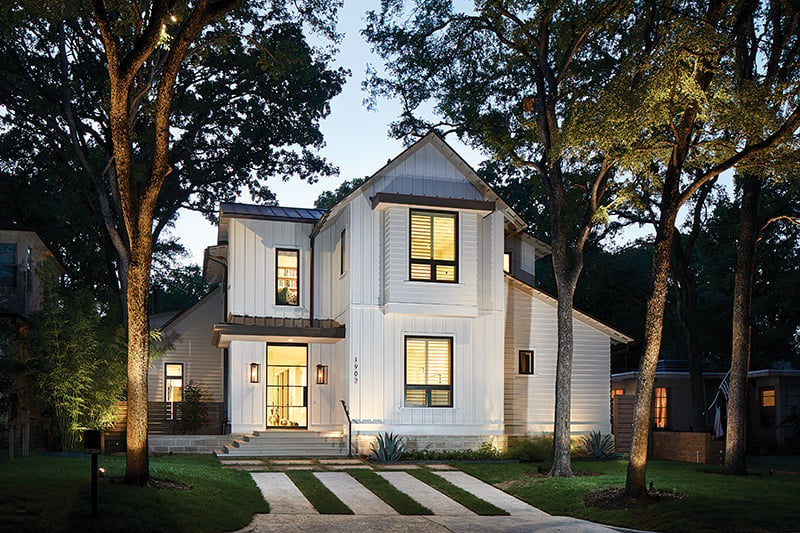
Tarrytown
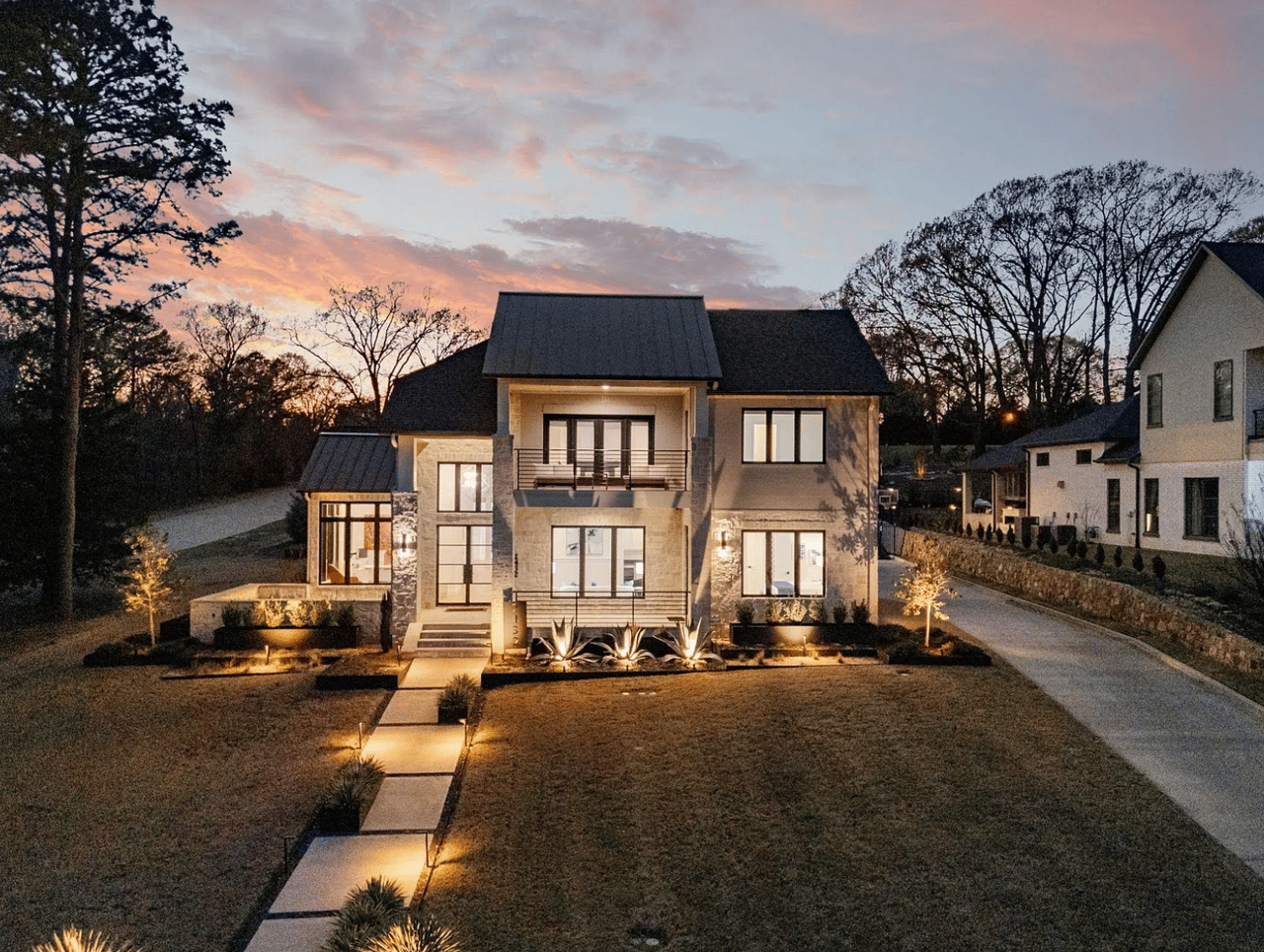
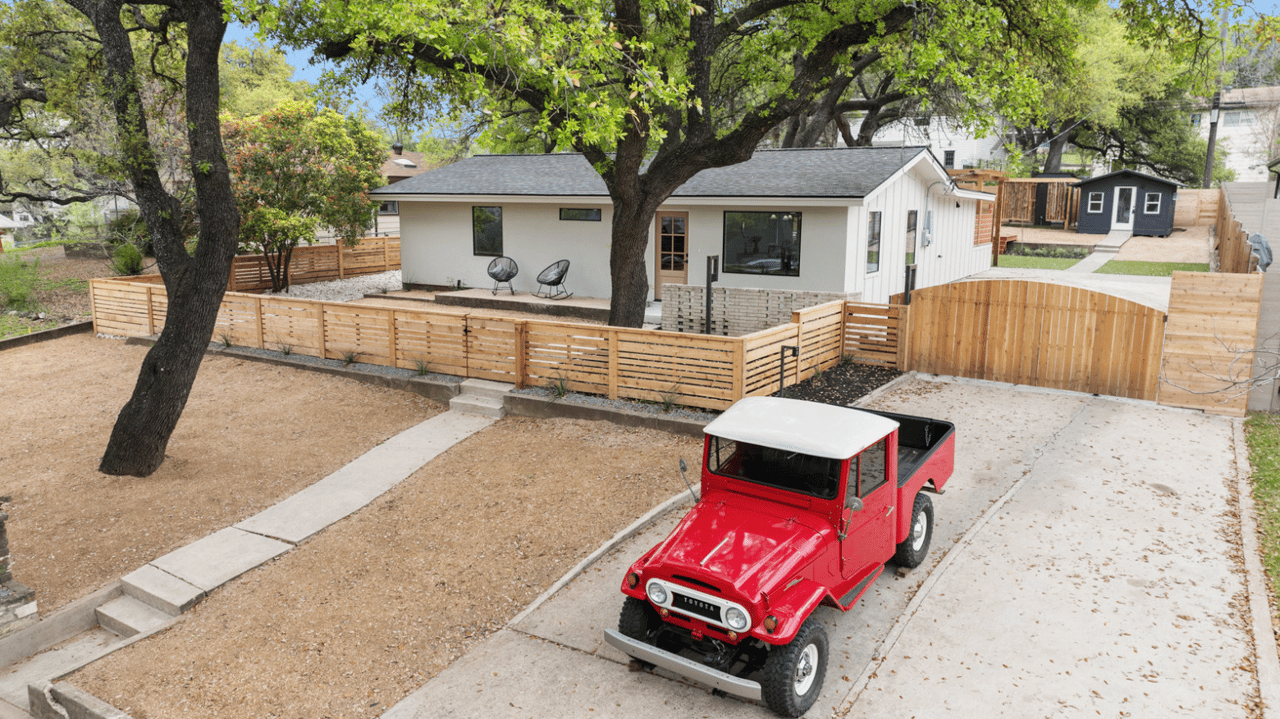
Blends historic homes with updated luxury residences while maintaining their character.
Blends historic homes with updated luxury residences while maintaining their character.


10,777 people live in Tarrytown, where the median age is 43 and the average individual income is $116,088. Data provided by the U.S. Census Bureau.
Total Population
Median Age
Population Density Population Density This is the number of people per square mile in a neighborhood.
Average individual Income
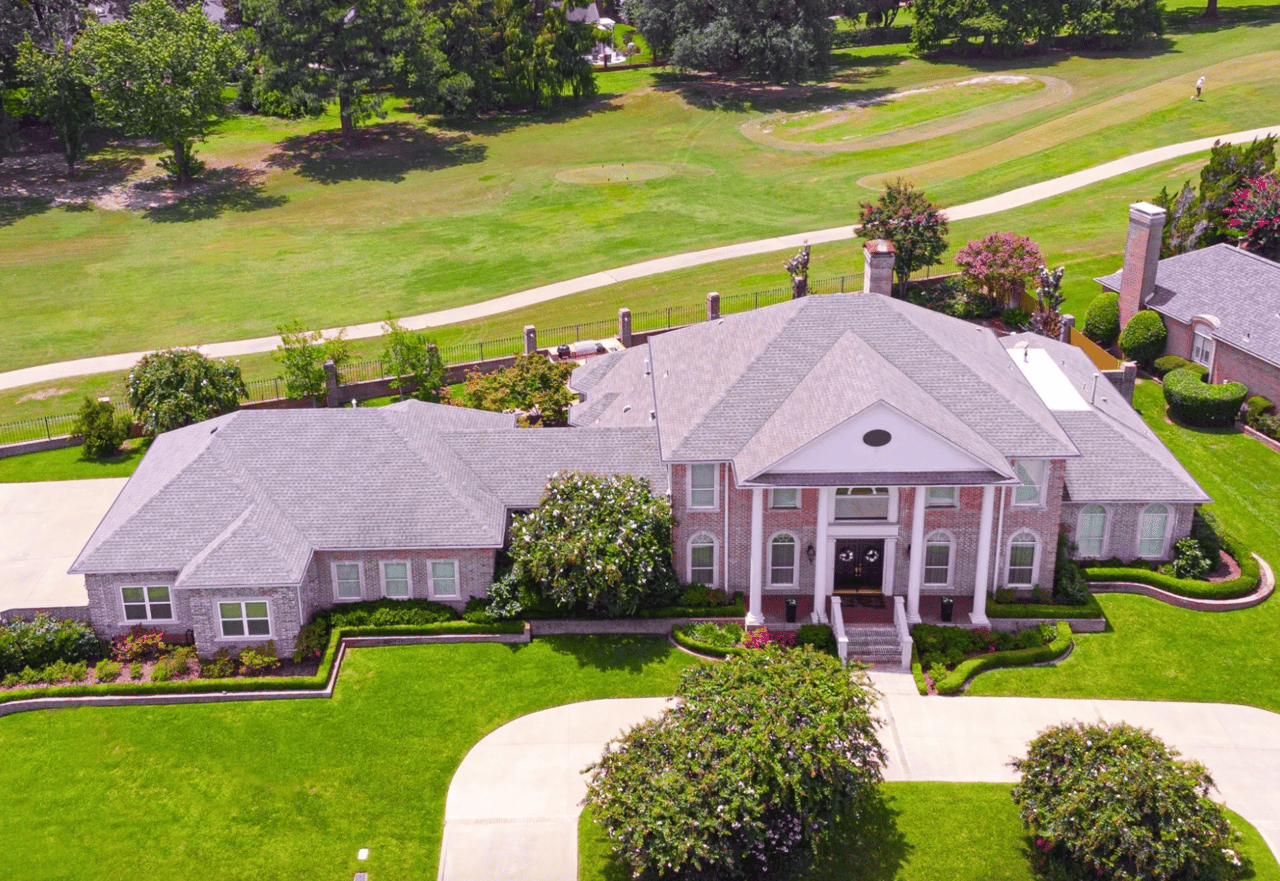
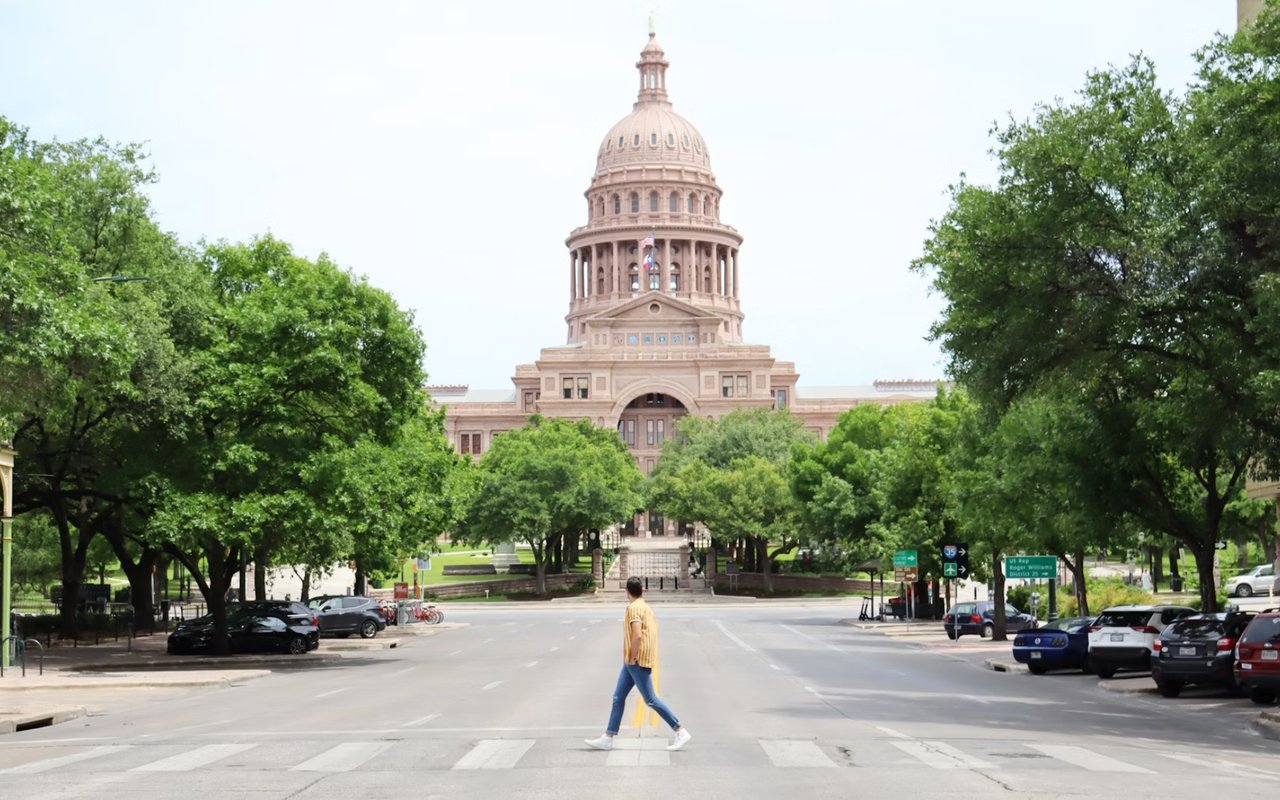
Tarrytown is West Austin's most established and quietly prestigious residential enclave. Tucked between MoPac Expressway and the shores of Lake Austin, it delivers something increasingly rare in a booming Texas metro: old trees, winding streets, and a neighborhood that actually feels like one.
The vibe is best described as "Mayberry meets Architectural Digest." Think multi-million dollar estates hidden behind century-old Live Oaks, neighbors who've lived on the same block for 30 years, and coffee shops that sit directly over the water. It's understated in a way that money usually can't buy — because in Tarrytown, the money has been there long enough to settle in.
Residents skew toward established professionals, UT faculty, executives, and old Austin families. It's a neighborhood where people don't leave, and when they do, they usually just move a few streets over.
Tarrytown's origins trace to the early 20th century, when the Enfield Realty and Home Building Company named the area after Tarrytown, New York, marketing it as a quiet retreat from the city — a place "where residences quiet the spirit."
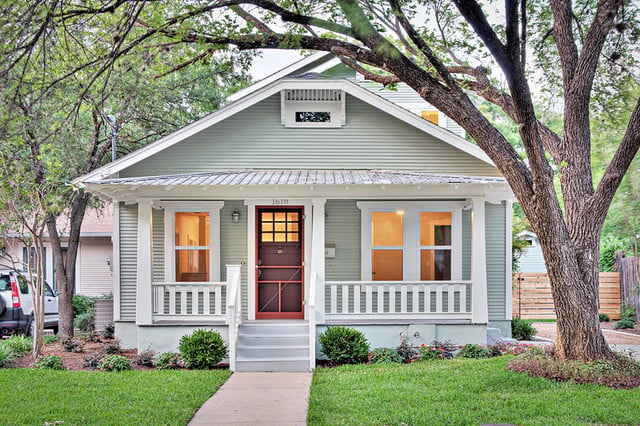
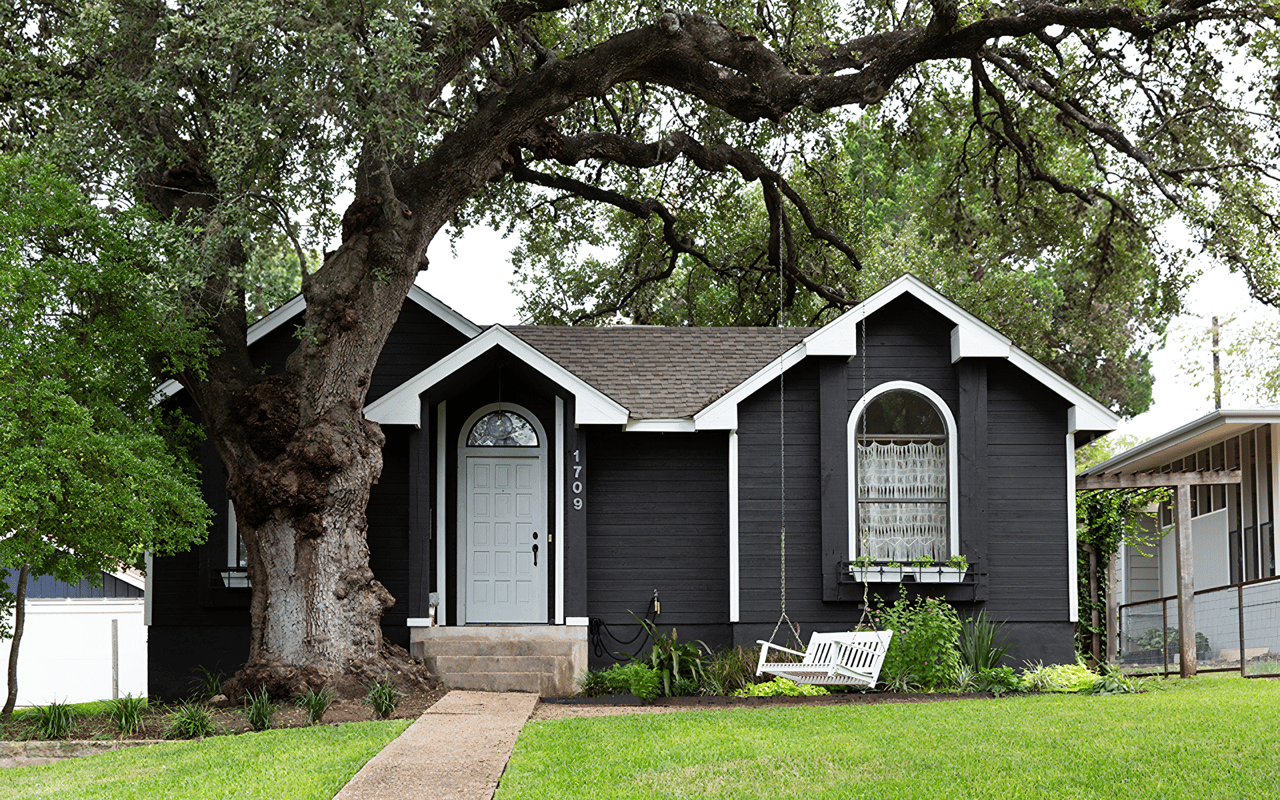
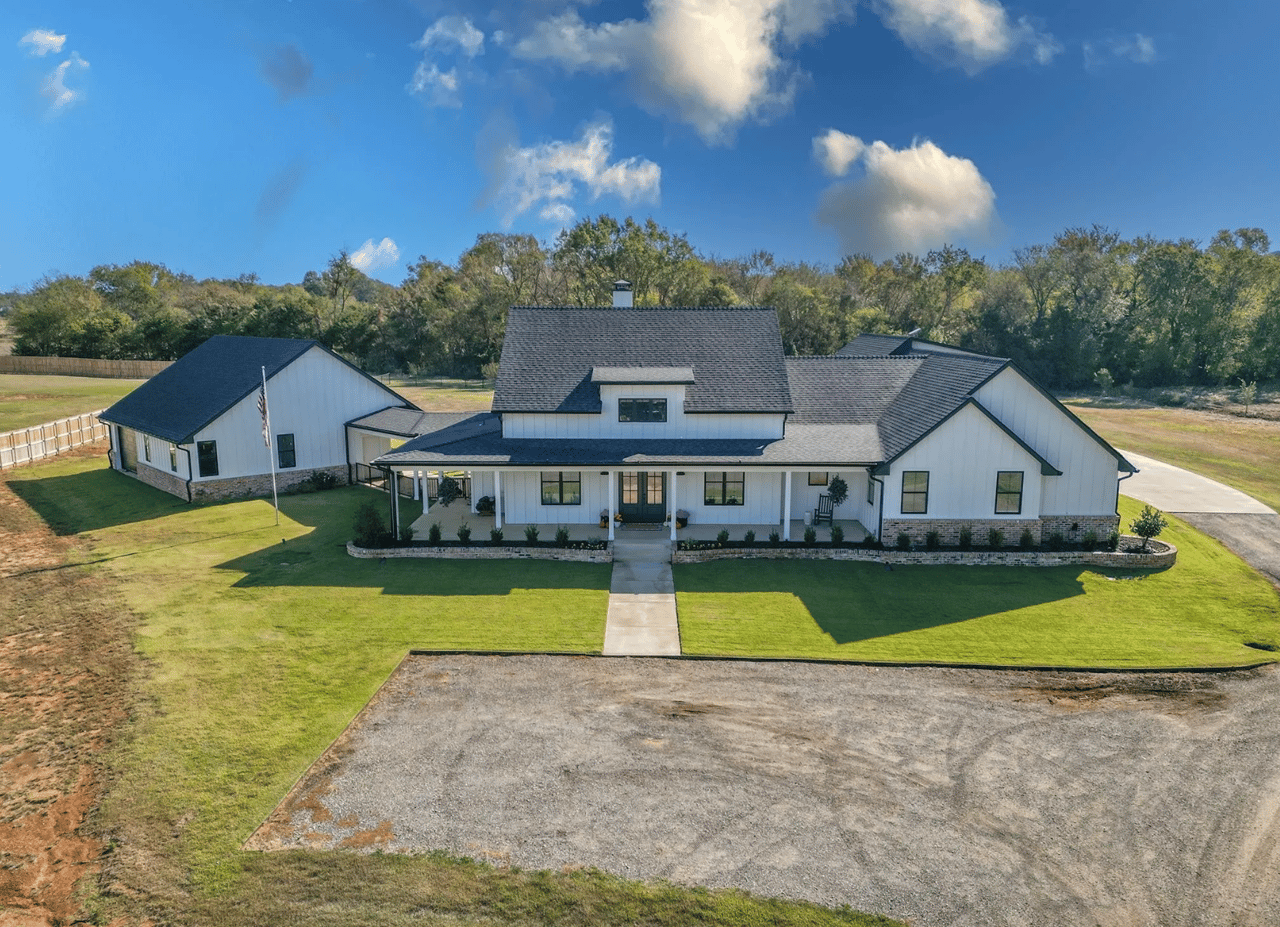
The neighborhood hit its stride in the 1930s, with the 1934 development boom bringing the stately Colonial and Tudor Revival homes that still define many of its blocks today. Post-WWII growth filled in the gaps with mid-century ranch-style homes, cementing the architectural diversity that makes the area so visually interesting now.
Over the decades, Tarrytown transitioned from a suburban escape to one of Austin's most coveted urban neighborhoods — without losing the qualities that made it desirable in the first place. The tree canopy, the winding streets, and the sense of community continuity have survived every growth cycle Austin has thrown at it.
Tarrytown is home to roughly 10,777 residents with a median age of 43 — older and more established than Austin's tech-driven downtown core.
The income picture is significant: median household income sits around $144,637, with average household income reaching $237,313. Nearly all of the workforce holds white-collar positions, and close to 39% work from home. Median home values regularly exceed $2 million.
Education levels are exceptionally high — 90.6% of adults hold at least a Bachelor's degree, and over a third hold graduate or professional degrees. The household profile leans toward married couples and "empty nesters," with an average household size of just 2.0 people. About 26% of households have children under 18, and the Casis Elementary school community functions as a major social driver for families.
Boundaries:
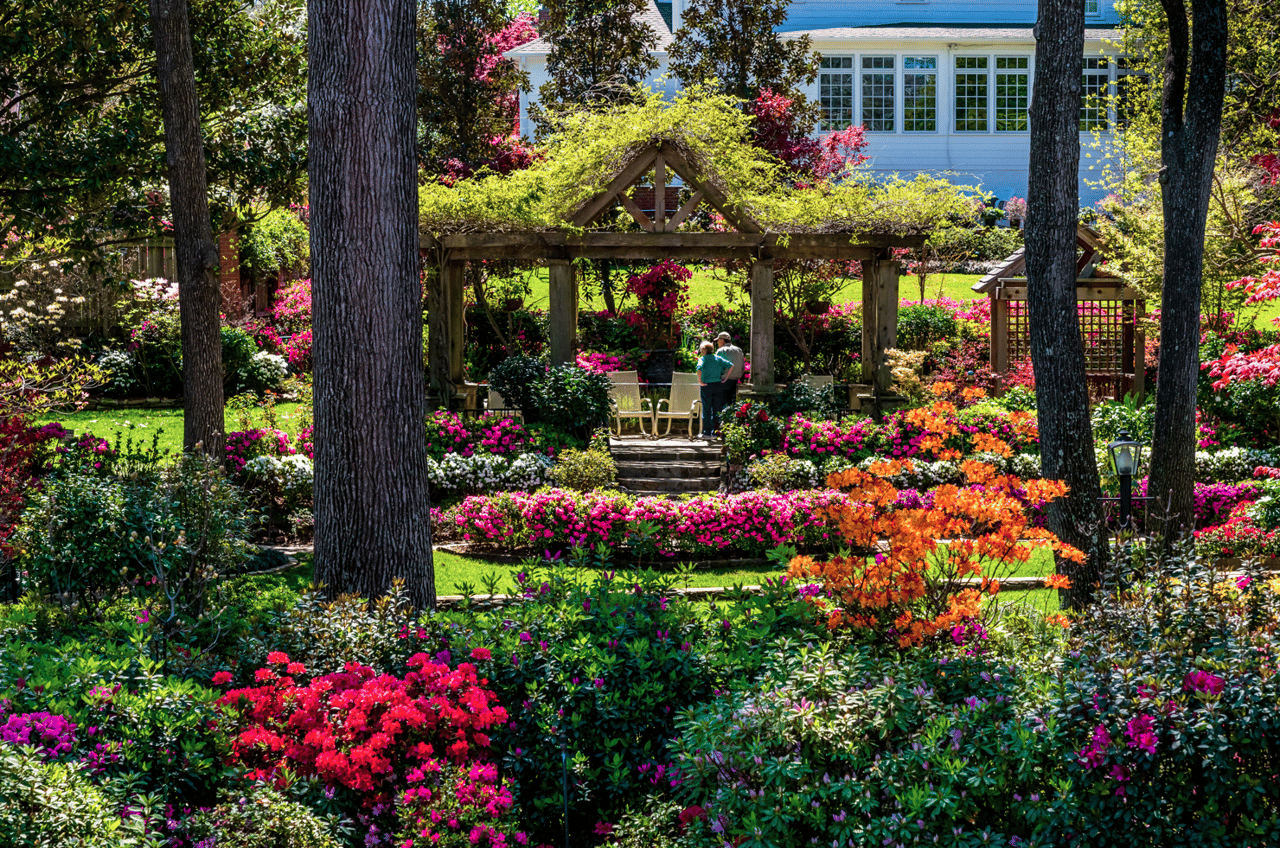
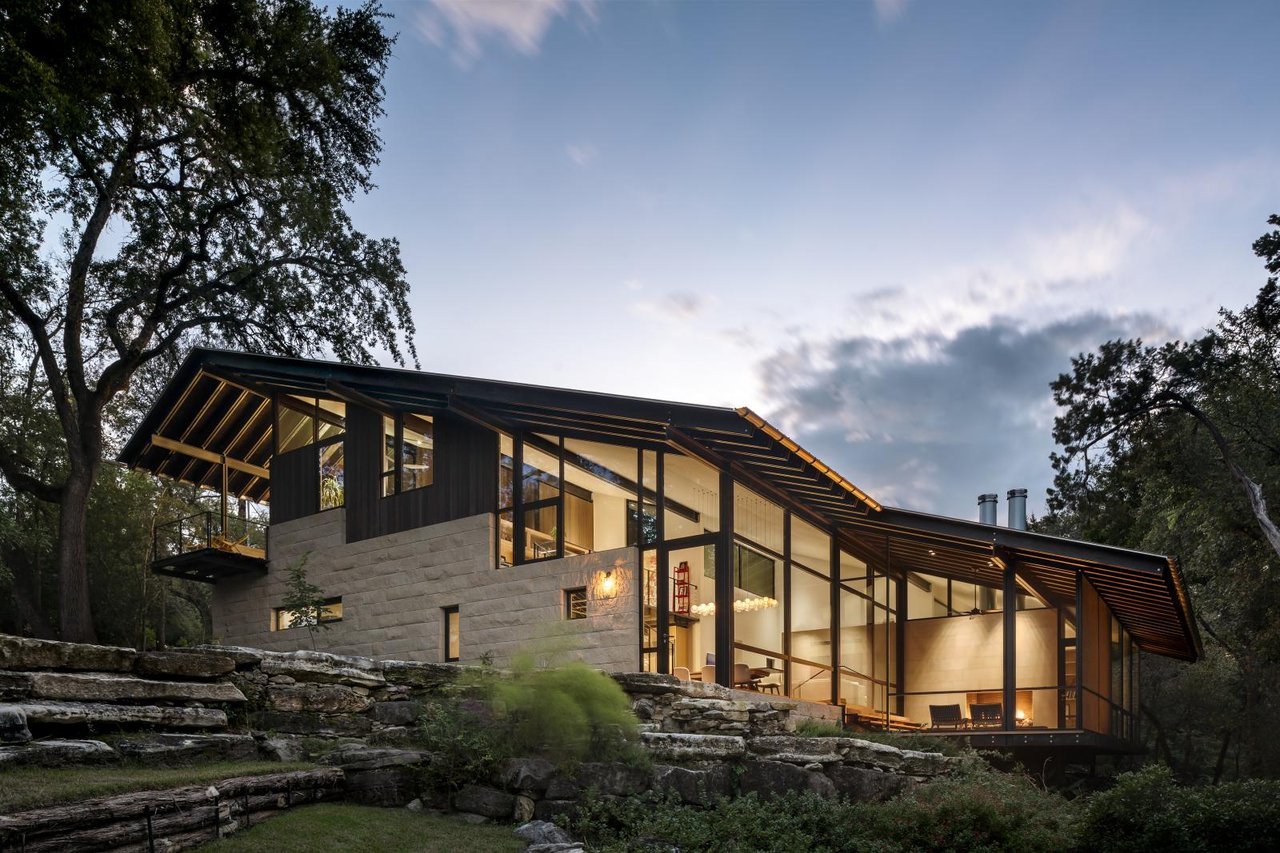
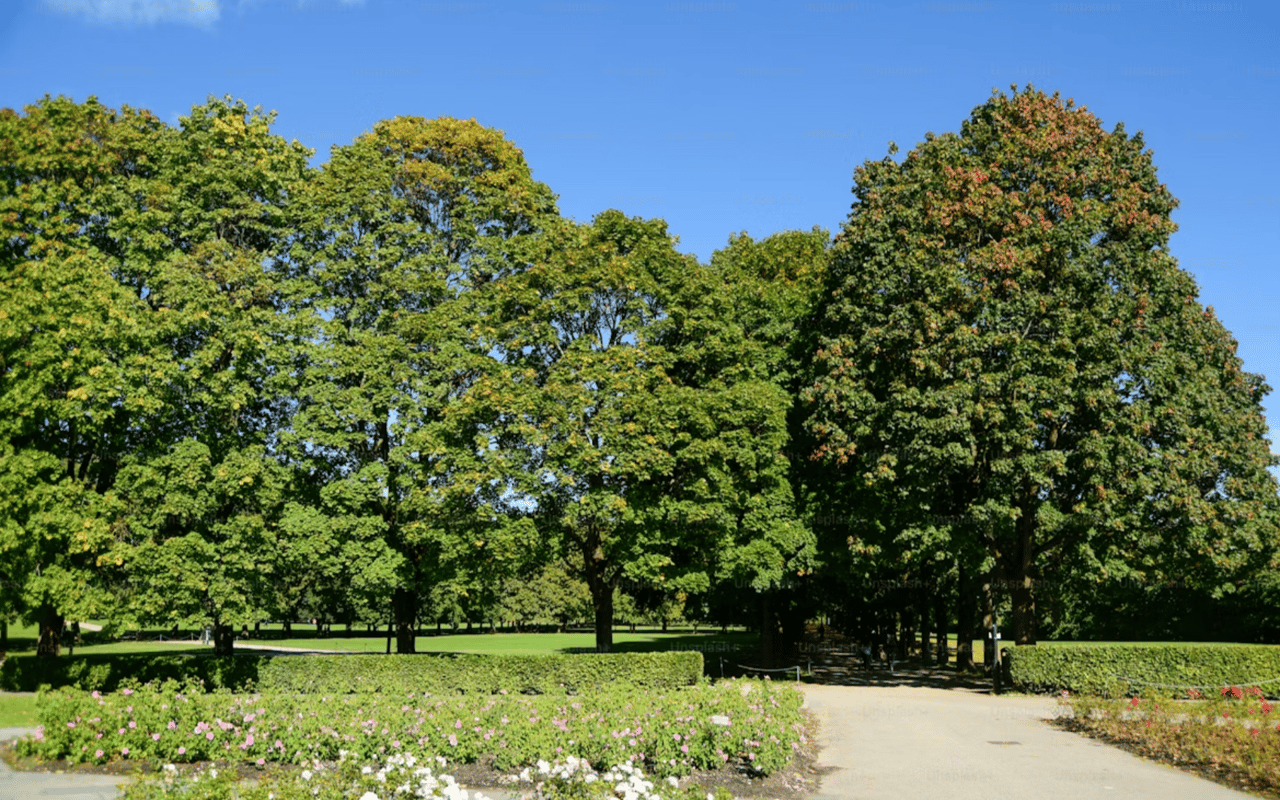
Tarrytown sits at the Balcones Escarpment — where the flat Texas prairies begin tilting into the Hill Country — creating rolling hills, limestone outcroppings, and tiered lots with elevated views. The neighborhood's massive heritage Live Oaks and Pecan trees form a continuous green canopy visible from the air and measurably cooler than surrounding parts of the city.
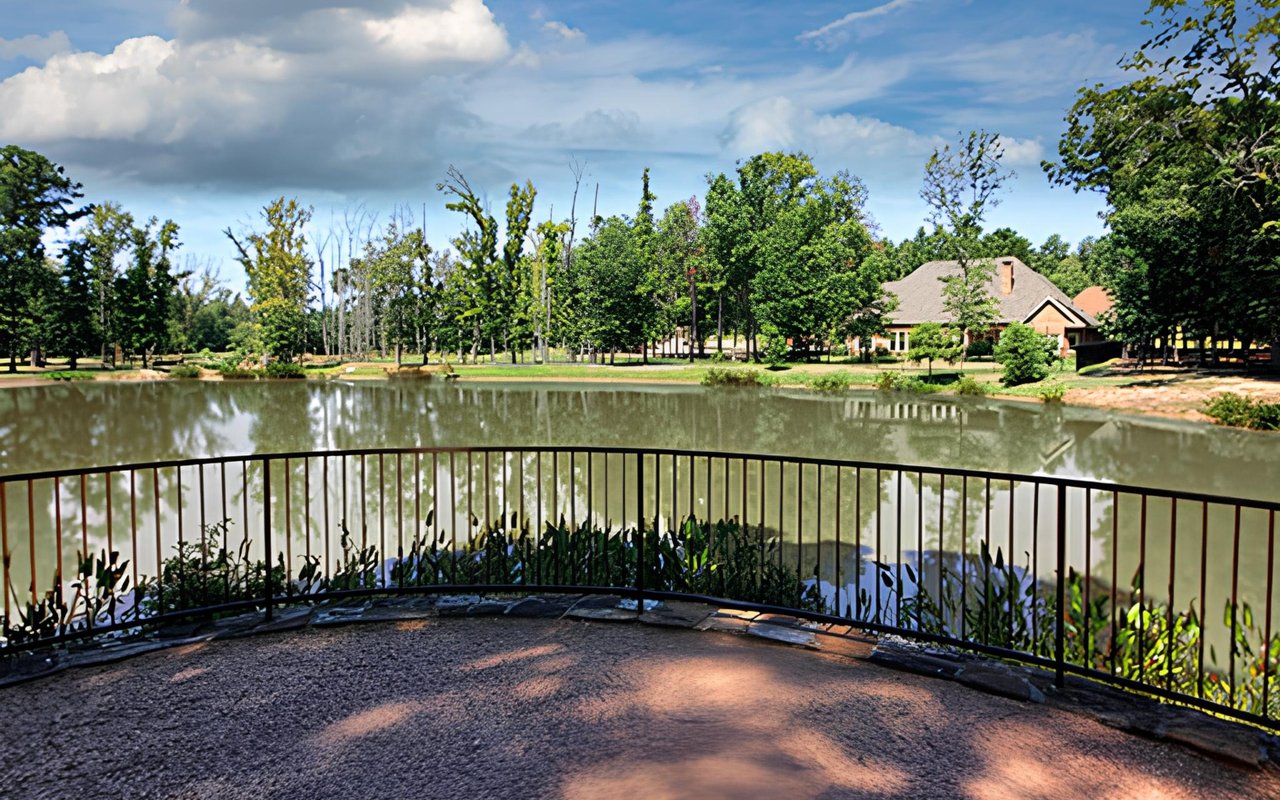
Johnson Creek winds through the neighborhood before emptying into Lady Bird Lake. Lake Austin's western border provides a cooling lake-effect breeze to waterfront homes.
Climate: Humid subtropical, with August highs averaging 96–98°F — though Tarrytown's canopy routinely runs 2–3 degrees cooler than downtown. Winters are mild (low 60s average) with only 12–15 sub-freezing days per year. The area sits within "Flash Flood Alley," with intense storm events common in May and October.
Proximity:
Tarrytown is one of the most recession-resistant pockets in Texas real estate. While Austin broadly has recalibrated since the 2022 peak, Tarrytown remains a low-inventory, high-demand market with notably better value retention than almost any other Austin neighborhood.
Current Conditions (Early 2026):
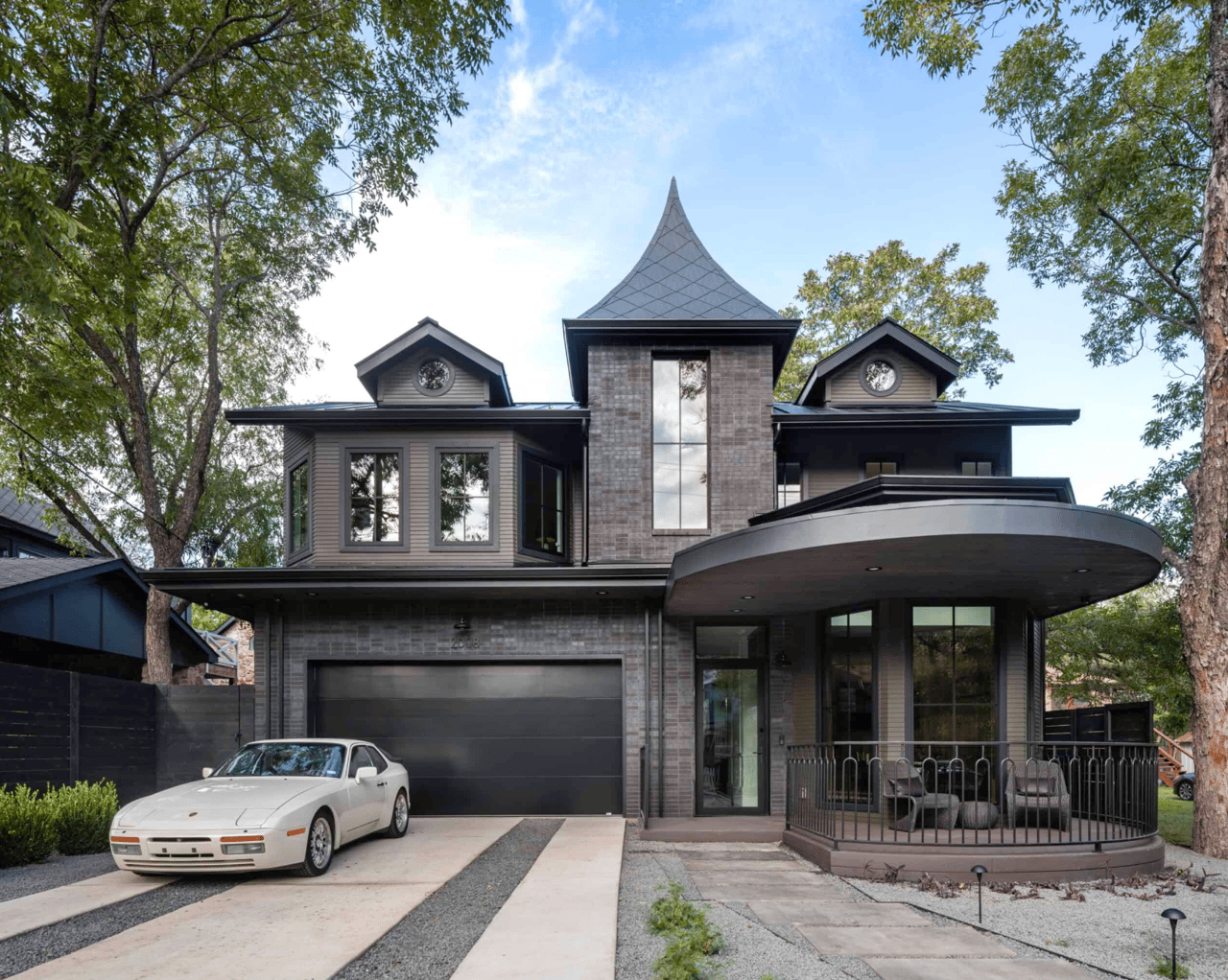
What drives this market: Even "entry-level" cottages from the 1940s routinely sell for $850K–$1.2M based on land value alone. Builders and investors purchase these lots to construct 4,000+ sq. ft. modern estates that list at $4M–$6M. Residents tend to stay for decades, creating a persistent supply-demand imbalance. When a well-maintained home hits the market, it draws immediate attention — often from buyers already in the neighborhood looking to upsize or downsize without leaving.
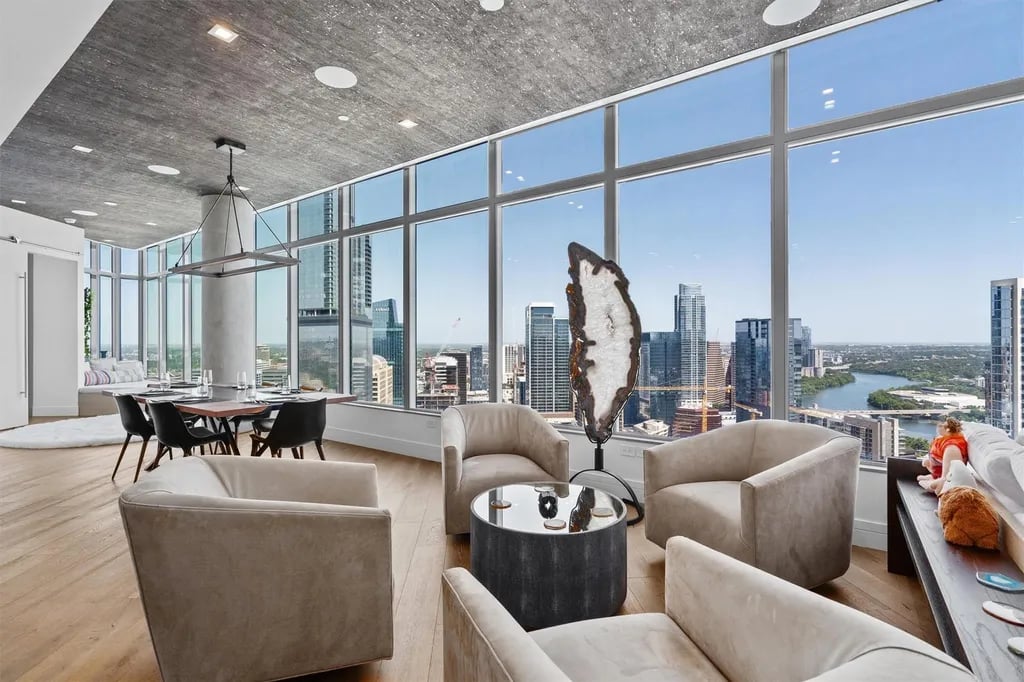
The ultra-luxury segment ($3M+) remains active. Buyers at this price point are largely insulated from mortgage rate sensitivity and are drawn specifically to the neighborhood's combination of downtown proximity and waterfront access.
Flood risk: Approximately 15% of Tarrytown properties carry a moderate flood risk, particularly homes near Johnson Creek and lower-lying areas along Lake Austin Blvd. Always cross-reference FEMA's 500-year floodplain maps before making an offer.
Wildfire exposure: The dense tree canopy and proximity to the western Wildland-Urban Interface create above-average fire risk. In 2026, insurers are increasingly scrutinizing roof materials and defensible space — factor this into both insurance budgeting and inspection priorities.
Hidden infrastructure costs: Many 1940s-era homes still contain cast-iron plumbing and knob-and-tube wiring. A cosmetically renovated home may conceal $50,000+ in necessary infrastructure work. Budget for thorough inspections. Expansive clay soil is also common throughout Austin — look for stair-step cracking in brickwork or uneven floors as signs of foundation movement.
Zoning and tree restrictions: Tarrytown falls within a Neighborhood Conservation Combining District (NCCD), which imposes strict rules on building height, floor-to-area ratios (the city's "McMansion ordinance"), and tree removal. If you're buying with renovation or rebuild plans, consult with a local architect or land-use attorney before closing.
School boundaries matter financially: Homes specifically within the Casis Elementary attendance zone command a meaningful premium — roughly 10% above otherwise comparable properties nearby.
Parking: Many older homes lack garages or have narrow driveways. On the narrower winding lanes, street parking can become genuinely inconvenient for households with multiple vehicles.
Timing: Spring is your window. Peak buyer activity and highest price achievement occurs in April and May, before Austin's brutal summer heat slows foot traffic. If you need flexibility, November and December typically offer the least competition but draw more serious, motivated buyers.
Pricing precision: The market has bifurcated. Homes under $1.5M sell quickly, often to builders who want the land. Between $2M and $4M, precision is everything — even a 5% overpricing error can push days-on-market past 80, creating stigma. Because many Tarrytown homes are unique custom properties, comparable sales can be difficult to establish, which also creates appraisal gap risk for financed buyers.
Upgrades with real ROI: Outdoor kitchens and plunge pools are currently outperforming almost any other improvement in this neighborhood. On the less glamorous side, spray-foam insulation and multi-stage HVAC systems are in-demand selling points given Austin's heat — buyers here ask about energy performance.
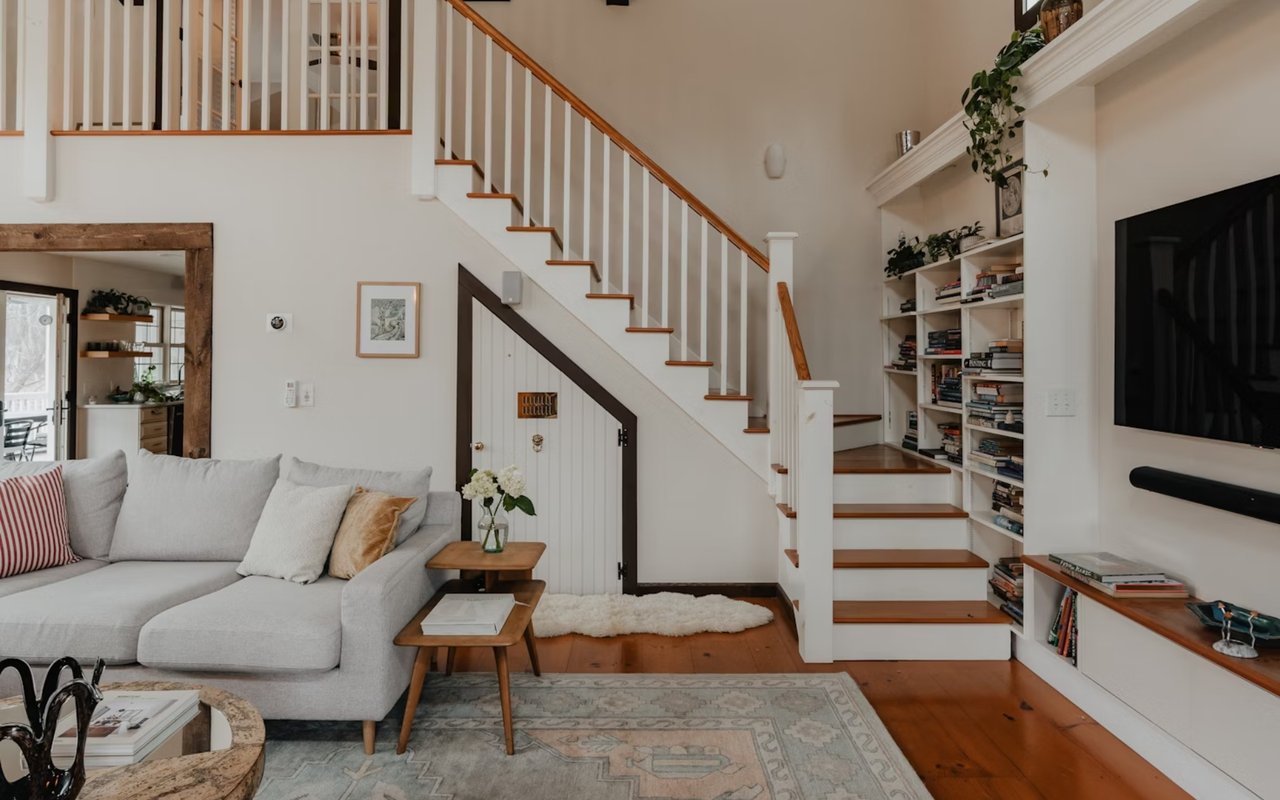
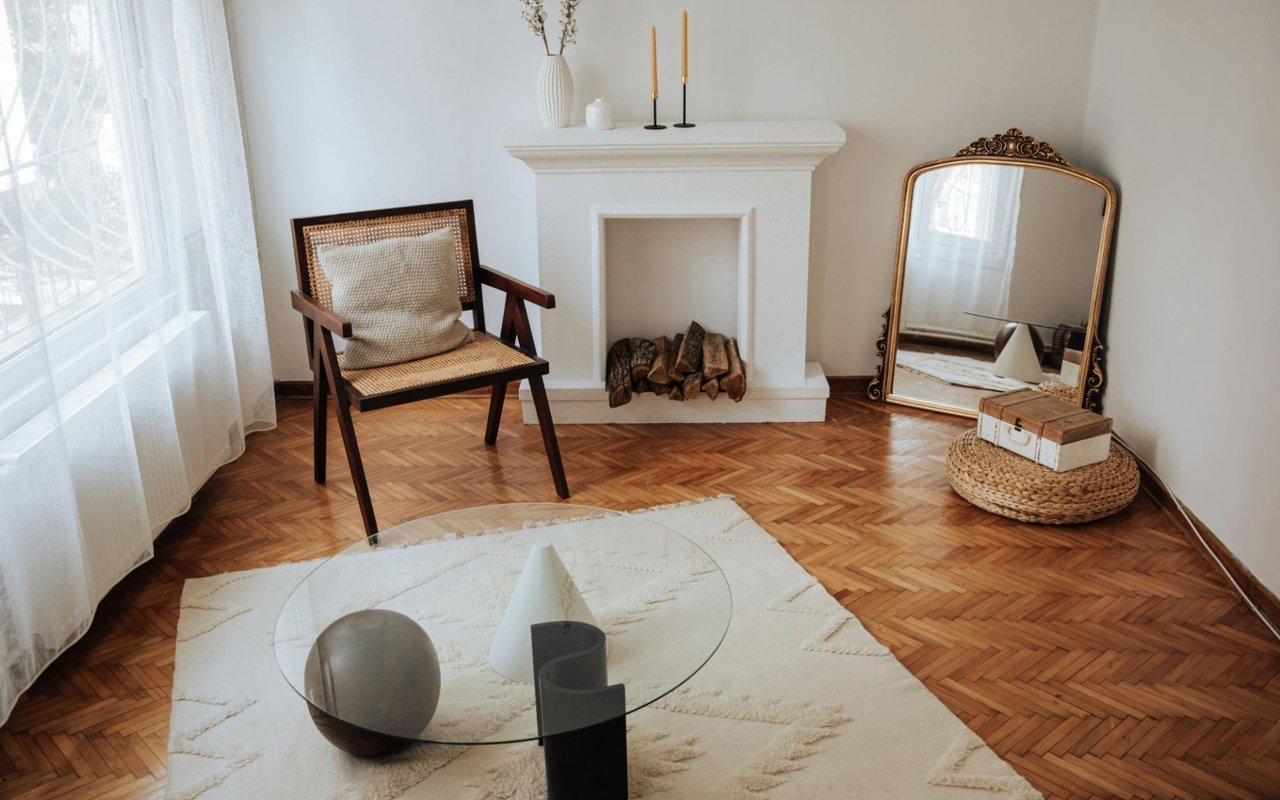
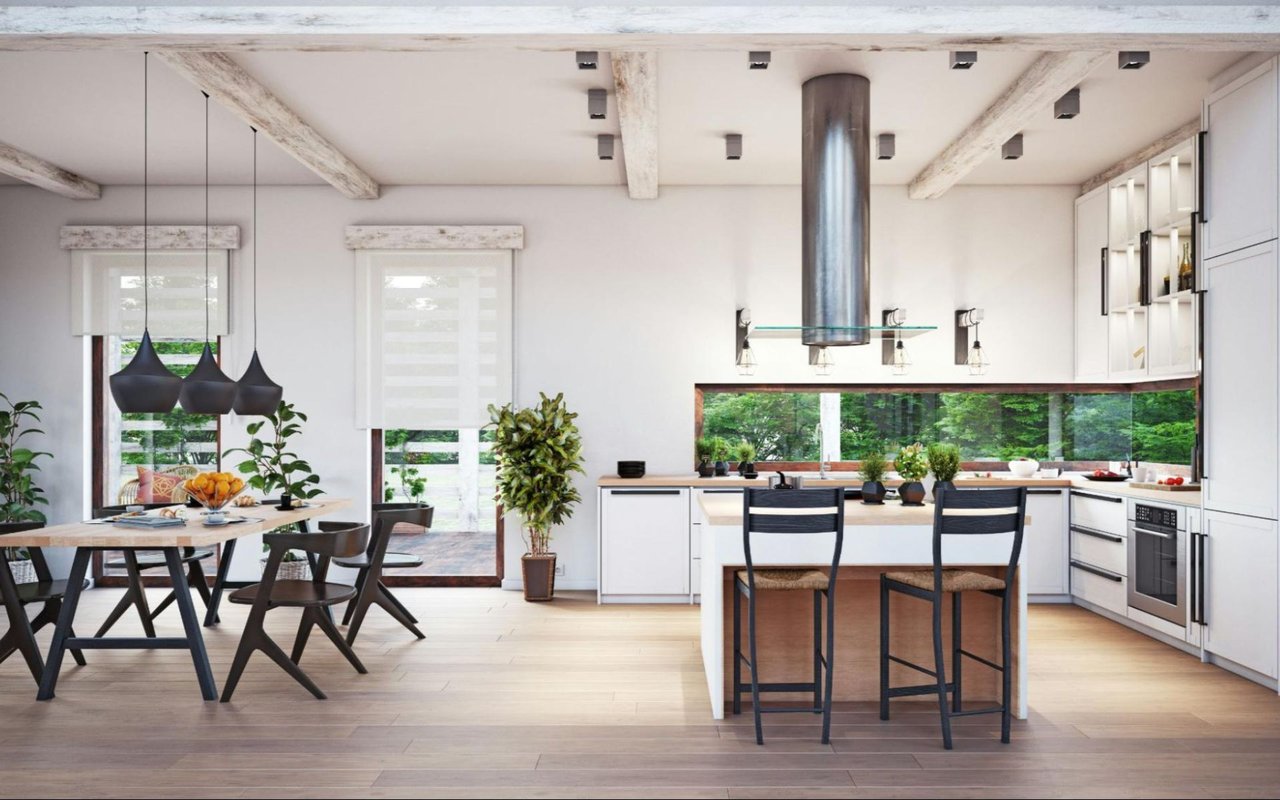
Your buyer: Expect a young family moving up from a downtown condo, a UT or medical sector professional, or a tech executive relocating from California. Staging should speak to them: the winning look is "transitional" — original hardwood floors and architectural details preserved, paired with modern fixtures, clean palettes, and updated kitchens.
Lead with schools: Any listing within Casis Elementary, O. Henry, and Austin High School boundaries should make that prominent in every piece of marketing material.
Tarrytown's dining scene is local, unpretentious, and built around neighborhood institutions rather than rotating concepts.
Restaurants:
Coffee:
Entertainment:
Tarrytown's retail is boutique-centric and intentionally small-scale, centered around Casis Village and Tarrytown Center.
For everyday grocery needs, residents typically access HEB, Whole Foods, and Central Market locations along Lamar Blvd and in adjacent neighborhoods — all within a 5–10 minute drive.
Water:
Parks and Trails:
Golf:
Tarrytown's identity is rooted in "old Austin" — the version of the city that existed before the tech boom reshaped everything. It's one of the few neighborhoods where multi-generational Austin is still common. It's not unusual to meet someone who grew up on the street where they still live, or whose parents are three blocks away.
The lifestyle is active and outdoor-focused — morning joggers, cyclists headed to UT, dogs on leashes — but it's also quiet and private in a way the rest of Austin has largely lost. Wealth here is understated; the "uniform" is athletic wear or casual linen, and the social calendar revolves around school events and backyard gatherings rather than rooftop bars.
Annual traditions that define the neighborhood:
Social life for families largely orbits Casis Elementary and the Westwood Country Club, which serves as a hub for the neighborhood's established family set.
Public Schools (Austin ISD):
Private Schools:
Higher Education:
| Destination | Distance | Typical Drive |
|---|---|---|
| Downtown Austin | 3 miles | 8–12 min |
| UT Austin | 2.5 miles | 10 min |
| The Domain | 11 miles | 20–30 min |
| Austin-Bergstrom Airport | 12 miles | 25–35 min |
By car: MoPac Expressway (Loop 1) forms the eastern border and is the primary artery for traveling north to the tech corridor (Apple, Google, Oracle campuses) or south toward the Hill Country. Enfield and Windsor Roads provide direct access to downtown without requiring a highway.
By transit: Capital Metro Route 18 (Enfield) and Route 21 (Exposition) offer reliable service to downtown and UT. The neighborhood isn't dependent on transit, but the connections are functional.
On foot and by bike: Casis Village earns a Walk Score of 72 for daily errands. The residential streets are hilly and winding, but the flat commute corridor to UT makes Tarrytown genuinely bike-friendly for university-bound riders.
Scenic Drive — The crown jewel. This road hugs the western edge of the neighborhood along Lake Austin and delivers some of the most dramatic residential views in Austin. Homes here are rarely listed and often trade off-market. When they do hit the public market, they set neighborhood price records.
Westover Road — A wide, shaded street lined with some of Tarrytown's finest Colonial and Tudor Revival homes from the 1930s-40s. Sought after for its architectural integrity and mature canopy.
Exposition Boulevard — A primary spine of the neighborhood connecting north and south, with a mix of renovated mid-century homes and new construction. Popular with buyers who want established character but updated interiors.
Casis Road & the Casis Village Pocket — The walkable core. Proximity to Casis Elementary, the pharmacy, and the boutique retail cluster makes this micro-location especially appealing to families with young children.
Pecos Street & the Johnson Creek Corridor — For buyers who prioritize nature access. Homes here back up to the greenbelt trail system with easy connections to Lady Bird Lake.
The Lake Austin Blvd / Walsh Landing Fringe — Entry point for direct waterfront access. Watch for flood zone designations, but for buyers who want a boat dock or lake frontage, this is where you look.
In a city that has reinvented itself multiple times over the last 20 years, Tarrytown has stayed exactly what it always was — and that's the point.
People love it because the trees are old, the streets are shaded, and a morning walk to Mozart's for coffee with a view of Lake Austin still costs the same as it does anywhere else in town. They love it because their neighbors actually know their names. Because Deep Eddy Pool is two minutes away and downtown is ten. Because their kids can walk to one of the best elementary schools in the state, and then bike to UT when they grow up.
The homes are significant. The location is exceptional. But what makes Tarrytown genuinely irreplaceable is that it offers something Austin has been losing at an accelerating pace: the feeling that you actually live somewhere, not just in a city.
That's not something you can build from scratch. It's why the people who find it tend to stay — and why the ones who leave almost always come back.
There's plenty to do around Tarrytown, including shopping, dining, nightlife, parks, and more. Data provided by Walk Score and Yelp.
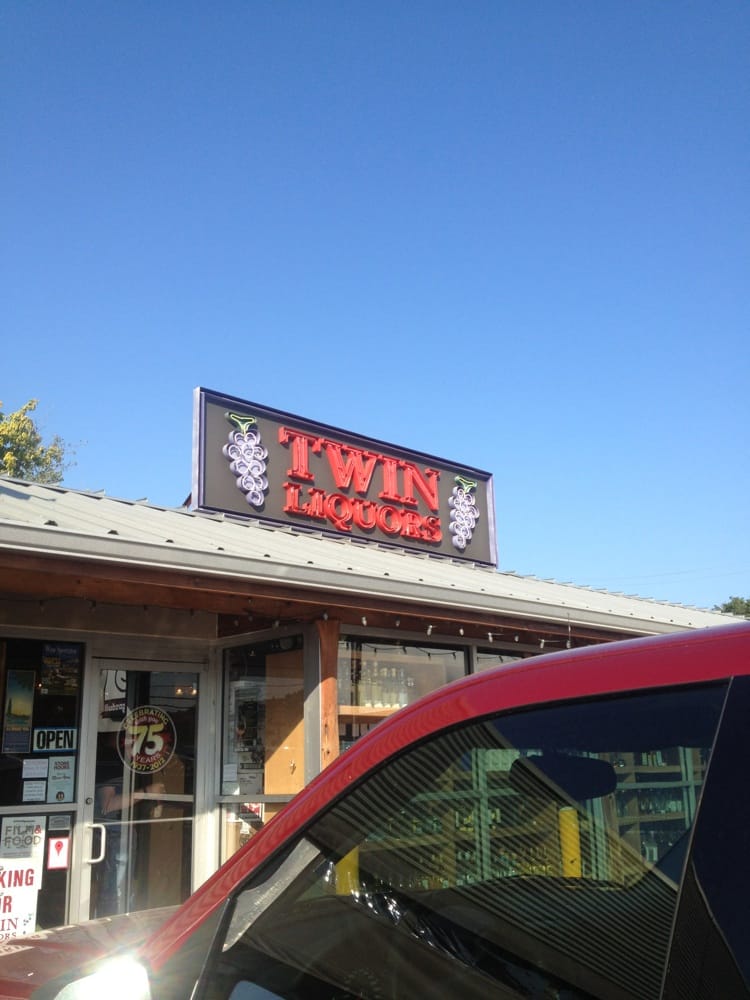
Explore popular things to do in the area, including Twin Liquors, Tarrytown Children's Center, and Walsh Boat Landing.
| Name | Category | Distance | Reviews |
Ratings by
Yelp
|
|---|---|---|---|---|
| Dining · $$ | 0.91 miles | 12 reviews | 4/5 stars | |
| Active | 0.59 miles | 0 reviews | 0/5 stars | |
| Active | 0.7 miles | 9 reviews | 3/5 stars | |
| Active | 1.15 miles | 3 reviews | 4.3/5 stars | |
|
|
||||
|
|
||||
|
|
||||
|
|
||||
|
|
||||
|
|
Tarrytown has 4,581 households, with an average household size of 2. Data provided by the U.S. Census Bureau. Here’s what the people living in Tarrytown do for work — and how long it takes them to get there. Data provided by the U.S. Census Bureau. 10,777 people call Tarrytown home. The population density is 3,909 and the largest age group is Data provided by the U.S. Census Bureau.
Total Population
Population Density Population Density This is the number of people per square mile in a neighborhood.
Median Age
Men vs Women
Population by Age Group
0-9 Years
10-17 Years
18-24 Years
25-64 Years
65-74 Years
75+ Years
Education Level
Total Households
Average Household Size
Average individual Income
Households with Children
With Children:
Without Children:
Marital Status
Blue vs White Collar Workers
Blue Collar:
White Collar:

















Our team’s professionalism, attention to detail, market knowledge, and negotiation principles have allowed us to gain global strategy and precise data that ensures correct market value for buyers and sellers.