Downtown Austin
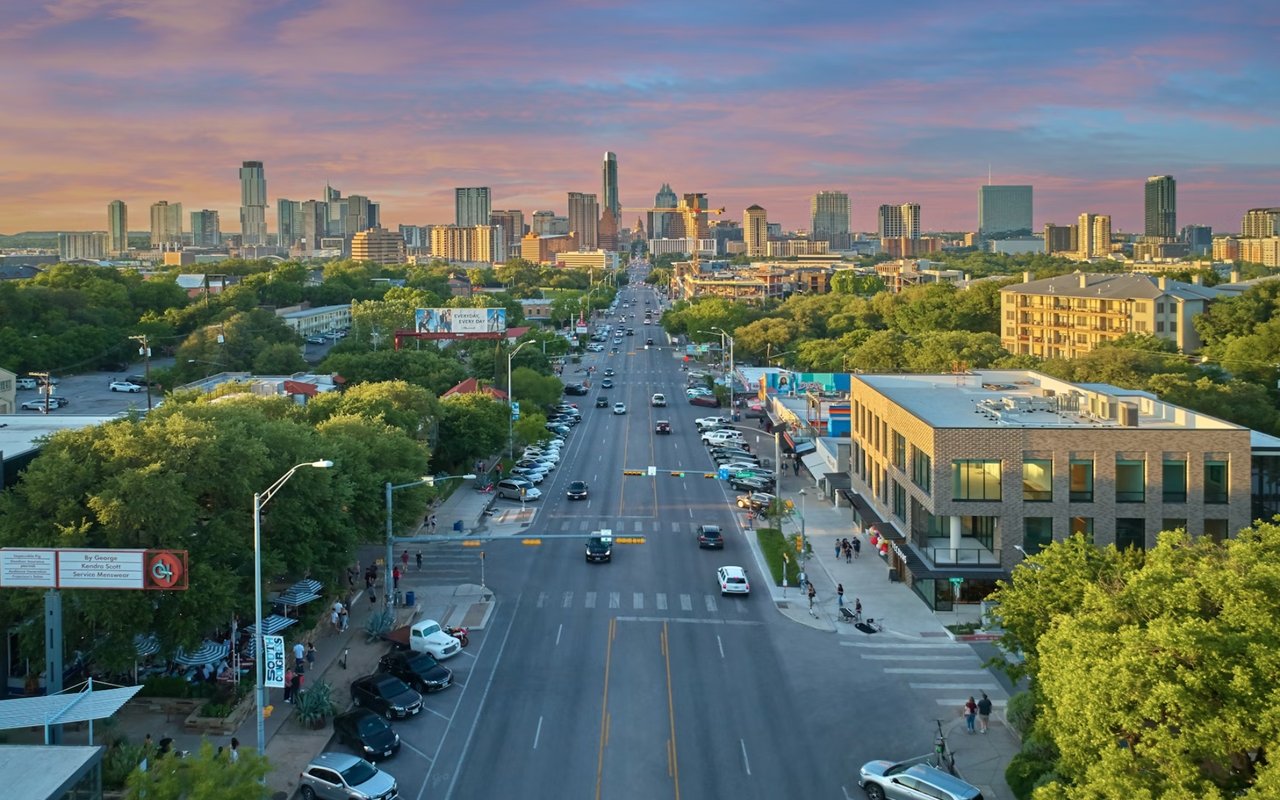
The core of Texas's capital city has evolved from a frontier settlement to a modern urban center.
The core of Texas's capital city has evolved from a frontier settlement to a modern urban center.





14,069 people live in Downtown Austin, where the median age is 41 and the average individual income is $136,156. Data provided by the U.S. Census Bureau.
Total Population
Median Age
Population Density Population Density This is the number of people per square mile in a neighborhood.
Average individual Income
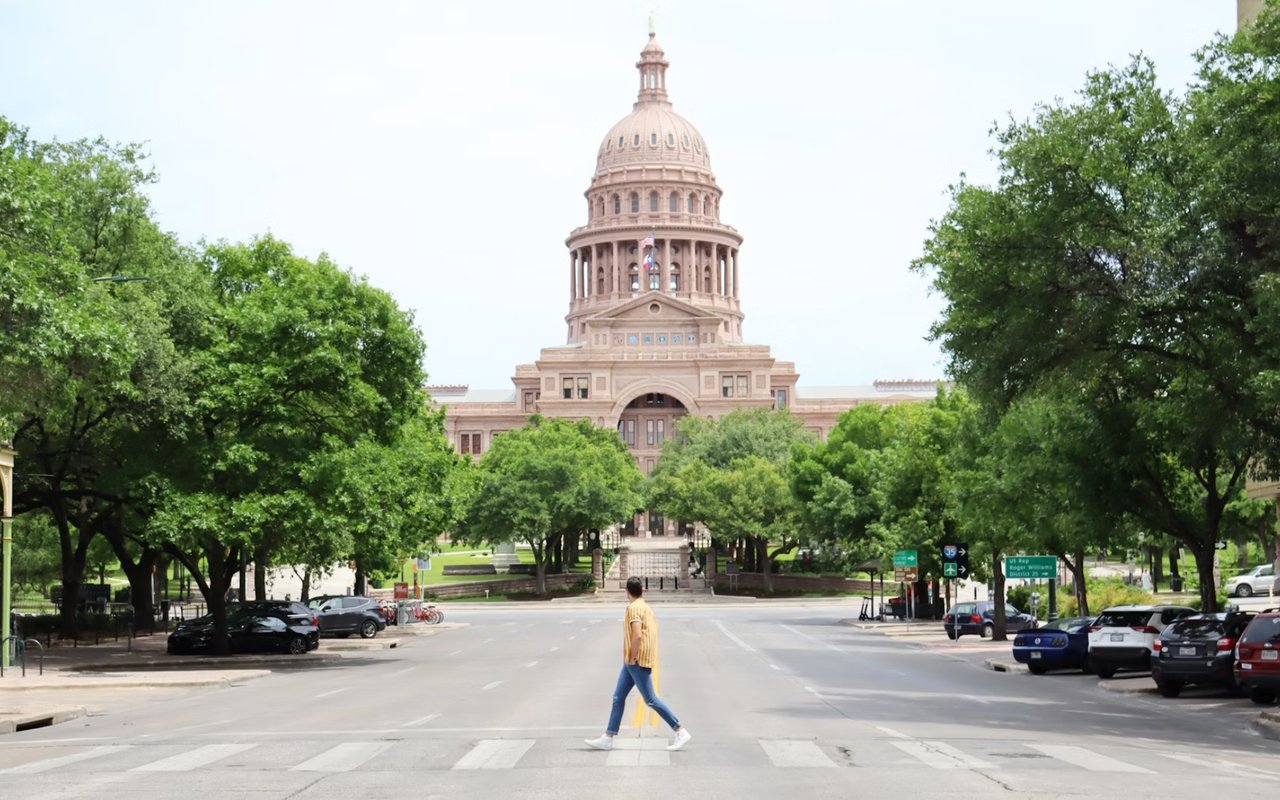
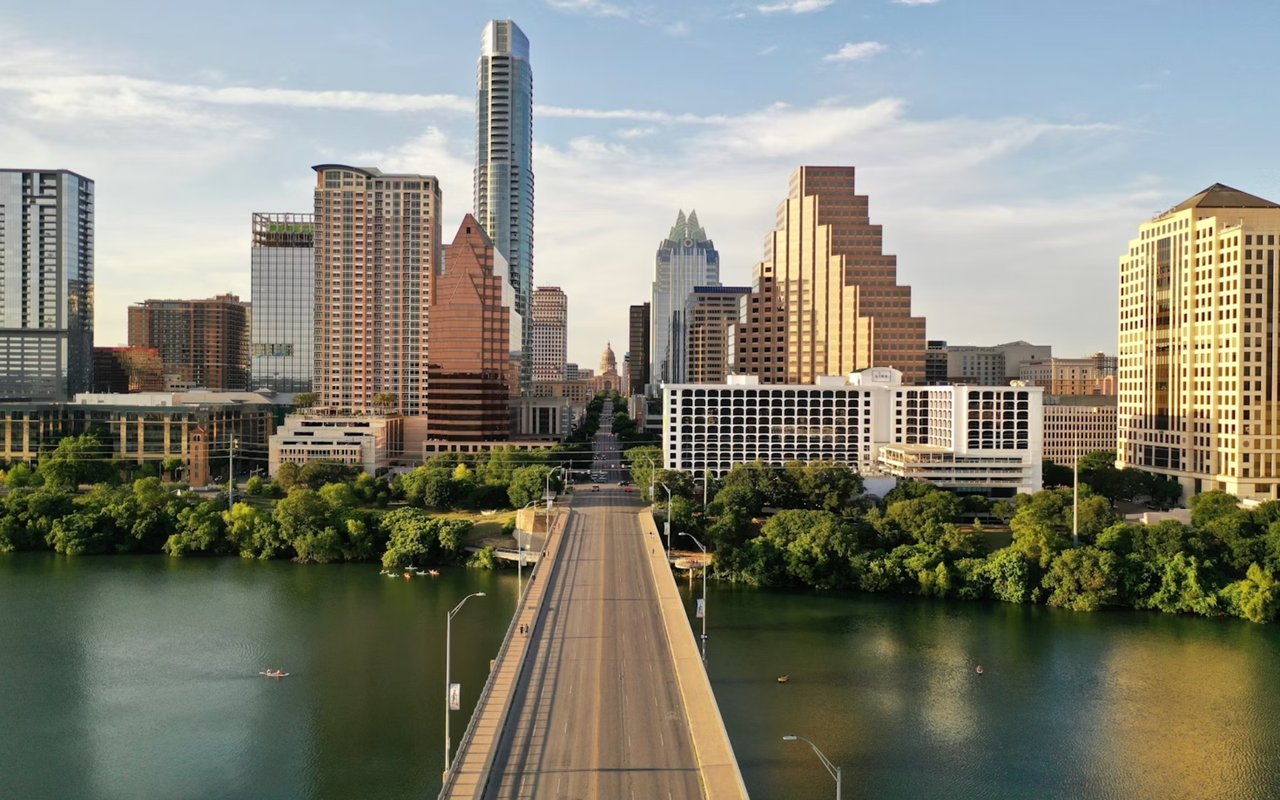
Downtown Austin is the vibrant, ever-evolving core of Texas's capital — a place where glass towers rise directly over historic live-music halls, legendary taco trucks, and a waterfront trail that wraps the city in green. It's one of the few urban cores in the country where a massive corporate boom coexists with a deeply rooted creative soul, and that tension is exactly what makes it worth understanding before you buy or rent here. This guide walks through what living downtown actually looks like, district by district, so you can decide whether the vertical, fast-paced city center fits your life.
Downtown is the city's primary central business district, but treating it as just an office hub badly undersells it. Over the past decade it has become a dense, around-the-clock residential and entertainment zone where people live, work, and play within the same dozen blocks.
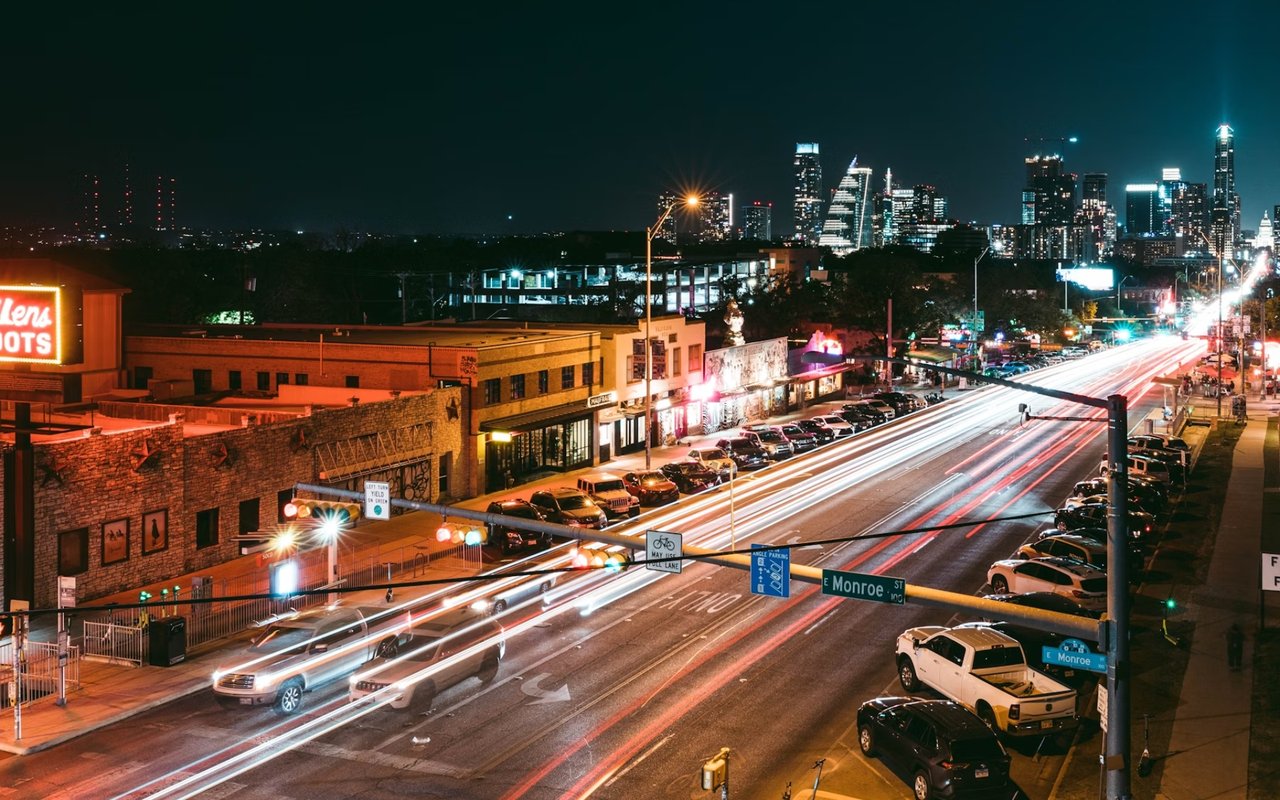
What gives downtown its character is that it isn't one neighborhood — it's a cluster of micro-districts, each with its own personality. The Second Street District is the upscale, walkable heart, full of boutique shopping, patio dining, and the ACL Live at The Moody Theater venue. A few blocks over, the Warehouse District along 4th Street fills renovated 19th-century warehouses with LGBTQ+ bars, live jazz lounges, and trendy restaurants. Sixth Street — originally Old Pecan Street — carries Austin's "Live Music Capital" identity, with the West side drawing a younger professional crowd and the East side famous for its wild, pedestrian-only weekend nightlife. And on the southeast edge, the Rainey Street Historic District has converted 1920s bungalows into cocktail lounges with spacious backyards, now sitting in the shadow of brand-new residential high-rises. Knowing which of these districts you're standing in tells you almost everything about what your block will feel like at 11 p.m.
Downtown sits directly on the northern bank of the Colorado River, known locally as Lady Bird Lake. The street layout is refreshingly easy to learn: it follows a grid originally designed in 1839 by Edwin Waller, where north-south streets are named for Texas rivers and east-west streets are numbered. Once you internalize that, you rarely get lost.
The core forms a fairly neat rectangle bounded by four well-known features:
Boundary | Bordering Feature | What It Separates |
|---|---|---|
North | Martin Luther King Jr. Blvd | Downtown from the University of Texas campus |
South | Lady Bird Lake | A natural waterfront edge lined by the Butler Hike-and-Bike Trail |
East | Interstate 35 | Downtown from trendy East Austin |
West | Lamar Boulevard | Downtown from the Clarksville neighborhood and West Austin waterfront |
A quick note on that western edge: some definitions push the "true" boundary out to Mopac (Loop 1) or Shoal Creek, but Lamar is the most common practical marker that locals and agents actually use.
The downtown market behaves very differently from the broader Austin metro, and understanding that gap is where most buyers go wrong. While the wider metro has gone through a well-publicized correction since its pandemic-era peaks, downtown remains a premium, high-density market defined almost entirely by vertical living. The metro median hovers around $430,000–$440,000; downtown commands a substantial premium on top of that because of strict space limitations and steady luxury demand.
Right now the downtown core (the 78701 zip) sits firmly in a post-peak stabilization phase, which has handed real negotiating power back to buyers. The bidding wars and waived inspections are gone — instead, properties take longer to sell and price cuts are common. Here's where the numbers stand:
Metric | 78701 Data | What It Tells You |
|---|---|---|
Median Sale Price | $559,000 | Down roughly 11.6% year-over-year |
Price per Square Foot | $711 | Up about 6%; premium smaller layouts still hold value |
Average Days on Market | 106 days | Listings sit longer, giving buyers room to negotiate |
Sale-to-List Ratio | 94.7% | Buyers are closing around 5% under asking |
The practical takeaway: roughly 35% of downtown listings see a price drop before they sell. If you're buying, patience is currently an asset. If you're selling, sharp pricing out of the gate matters more than it did two years ago.
There's effectively no single-family zoning in the immediate core, so buying downtown means buying into a high-rise, mid-rise, or loft building. The skyline has exploded over the last five years, and the inventory generally sorts into three lifestyle profiles.
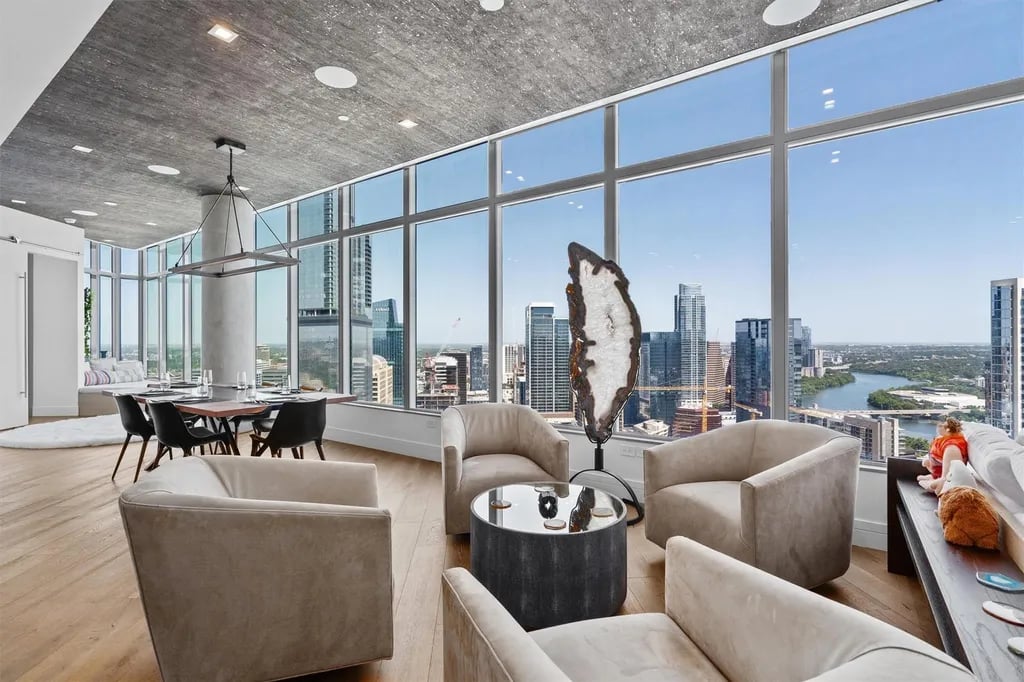
The modern giants are the ultra-luxury towers — The Independent (nicknamed the "Jenga Tower" for its offset stacked design) and The Austonian — offering floor-to-ceiling glass, 360-degree views, and resort-style amenity decks. The entertainment-district buildings like 74 Rainey and 44 East Ave drop you straight into the nightlife and the lake trails, and tend to attract younger professionals who prize walkability above all. And the historic lofts and mid-rises near the Warehouse District and Congress Avenue — places like Brazos Lofts or 710 Colorado — trade glass and height for exposed brick, concrete floors, and an industrial character you can't build new.
The detail that surprises most first-time downtown buyers is the HOA fee, because it's a permanent line item on top of your mortgage. Fees typically run between $0.60 and $1.75 per square foot per month. On a 1,500-square-foot unit, the lower end works out to around $900 monthly for basics like building insurance, trash, and maintenance. A luxury tower with 24/7 concierge, valet, infinity pools, and pet-grooming stations can push that past $2,250. When you're comparing two units, the HOA difference can quietly outweigh the difference in list price — so it belongs in your math from day one.
Downtown earns a 93/100 Walk Score, and the simple grid makes getting around on foot genuinely easy. The honest caveat is the Texas summer: from June through September, temperatures regularly top 100°F, and that heat — more than distance — is what determines how far people actually walk midday.
When walking isn't appealing, the options are layered. Dockless electric scooters and MetroBike stations are everywhere and have become the default for quick hops between districts. CapMetro runs the bus network and the MetroRail Red Line, a commuter rail connecting the northwest suburbs to a downtown station next to the Convention Center. You don't strictly need a car if you live and work downtown, but plenty of residents keep one for leaving the core — just know that parking is expensive, with monthly garage rates averaging $200 to $350.
Downtown is both a culinary powerhouse and a nightlife magnet, and the two don't always overlap. The food scene leans into elevated Texas flavors — you can start a morning with migratory breakfast tacos at Veracruz All Natural and end the day with hyper-local, heirloom-grain tasting menus at Emmer & Rye on Rainey Street, or interior Mexican at Comedor. Classic power-lunch steakhouses like Jeffrey's anchor the higher end, while food-truck parks tucked between high-rises serve everything from Thai-Kun to slow-smoked brisket with no reservation required.
Nightlife, by contrast, is sharply segmented — there's essentially a street for every mood. West 6th skews toward trendy clubs and high-energy lounges for young professionals. East 6th ("Dirty Sixth") is dive bars, big college crowds, and open-container foot traffic. Rainey Street is backyard bungalow bars and craft cocktails, and the Warehouse District is home to LGBTQ+ mainstays and live jazz. If you want something quieter and more refined, the city's speakeasies are worth seeking out — Midnight Cowboy, a former brothel on 6th Street, takes reservations behind an unmarked door, as does Here Nor There.
For all its vertical density, downtown protects a surprising amount of green space, and the waterfront is the centerpiece. The Ann and Roy Butler Hike-and-Bike Trail wraps a 10-mile loop entirely around Lady Bird Lake, with a boardwalk that juts out over the water for what may be the best skyline view in the city. It functions as downtown's main artery for runners, cyclists, and walkers.
Inland, Republic Square acts as a community porch in the Warehouse District, hosting the Saturday SFC Downtown Farmers' Market and outdoor movie nights under big shade trees. On the northeast edge, Waterloo Park and the Waterloo Greenway represent a major restoration of Waller Creek, with rolling hills, wetlands, and the world-class Moody Amphitheater. And then there's the most quintessentially Austin attraction of all: from March to October, crowds gather at dusk near the Congress Avenue Bridge to watch roughly 1.5 million Mexican free-tailed bats — the largest urban bat colony in North America — pour out for their nightly feeding flight.
Austin bills itself as the "Live Music Capital of the World," and downtown is the engine behind the claim. The venue density is remarkable: ACL Live at The Moody Theater in the Second Street District is the 2,750-seat permanent home of the PBS series Austin City Limits, prized for its acoustics. The Paramount Theatre has stood on Congress Avenue since 1915, hosting comedians, classic-film series, and festival premieres. The Moody Center near the UT campus fills the stadium-scale gap for major touring acts. And the Elephant Room, a basement jazz bar on Congress, has run live sets nearly every night for decades — about as close to the old soul of Austin music as you'll find.
The calendar matters too. Every March, South by Southwest takes over the Convention Center and dozens of downtown venues for its sprawling tech, film, and music conference. In the fall, the Austin City Limits Music Festival happens just southwest at Zilker Park, but downtown serves as the basecamp and host for late-night "ACL Night Shows." Living here means these events are at your doorstep — which is a thrill, and occasionally an obstacle, depending on the week.
Shopping downtown skips the enclosed mall entirely in favor of boutique storefronts and homegrown brands. The 2nd Street District is the premier retail strip, mixing upscale national names with local shops like the colorful toy store Toy Joy. The West 6th corridor near Lamar is anchored by the global flagship Whole Foods Market — complete with indoor taco bars and craft-beer taps — sitting directly across from the flagship store of outdoor-gear giant YETI. A block away, BookPeople is the largest independent bookstore in Texas and a genuine community hub for author events. And every Saturday morning, the SFC Downtown Farmers' Market at Republic Square brings in dozens of local farmers and food makers as a weekly alternative to the grocery run.
This is the area where downtown's demographics show most clearly. Because the core skews toward young professionals, tech workers, and empty-nesters, relatively few school-aged children live in the 78701 zip, and the K-12 infrastructure inside the grid is correspondingly thin.
Public education falls under the Austin Independent School District. There's no comprehensive public high school inside the downtown grid itself, so students are generally zoned into surrounding historic neighborhoods — Mathews Elementary in Clarksville on the western edge, and O. Henry Middle School feeding into Austin High, the oldest public high school in Texas, which runs a competitive Academy for Global Studies. Families set on top-tier neighborhood schools often look just outside the core.
Higher education, on the other hand, has a commanding presence on downtown's northern edge. The University of Texas at Austin and its 50,000-plus students sit just across MLK Boulevard, injecting energy and foot traffic into the business district. Austin Community College's Rio Grande campus occupies a restored historic building on the northwest edge, and UT's Dell Medical School on the northeast corner has brought a wave of healthcare professionals, researchers, and biotech startups into the downtown ecosystem.
Downtown isn't for everyone, and that's a feature, not a flaw. It tends to be a perfect fit for a few specific kinds of people.
It's ideal for tech professionals and executives who want to erase their commute and walk or scooter to the office. It suits active urban outdoor types who refuse to trade city living for nature access — here you can leave a high-rise conference room and be on a paddleboard or a five-mile trail run within ten minutes. It rewards young professionals and serious foodies who want world-class dining, hidden bars, and live music a few steps from their front door. And increasingly, it draws empty-nesters and retirees trading sprawling West Austin homes for low-maintenance, high-security condos within walking distance of the theater, the farmers' market, and fine dining.
If, on the other hand, you want a yard, a quiet street, and a neighborhood elementary school, the core is probably not your match — and that's worth being honest with yourself about early.
The lifestyle is genuinely vibrant, but it comes with real trade-offs, and a good guide names both.
On the upside, downtown offers true walkability — a car-lite or fully car-free life is realistic here. Condo living offloads all the yard work, landscaping, and exterior maintenance to building management. Most towers include serious security and amenities, from keycard or biometric access and 24/7 concierges to infinity pools, dog parks, and high-end gyms. And you're at ground zero for the city's cultural calendar without ever hunting for parking.
The flip side is just as real. The cost of entry is high, and HOA fees stack another $900 to $2,500-plus per month onto your housing budget. You're accepting the constant hum of an active city — sirens, late-night bass from 6th and Rainey, and festival crowds that can make your own block hard to navigate. If you keep a car, leaving downtown during rush hour or a big event can be brutal, and garage fees run $200 to $350-plus monthly with guest parking a perpetual headache. Finally, the suburban conveniences — private yards, neighborhood public schools, big-box hardware stores, drive-thrus — mostly require driving out of the core. None of these are dealbreakers for the right person; they're simply the price of admission to the most dynamic square mile in Texas.
If you're weighing a move downtown, the most useful thing you can do is talk through your specific situation with someone who knows these buildings, their HOAs, and their resale histories firsthand. Stephanie Taylor, Broker and Owner of Sovereign Place Real Estate, brings over 30 years of experience in Austin real estate sales, development, and investment — and a genuinely human approach to the work. She builds long-term relationships with clients and neighborhoods alike, which is why she's often sold the same homes more than once across her career. Whether you're trying to figure out which tower fits your lifestyle, how to read a 78701 listing in today's buyer-friendly market, or simply whether downtown is the right call at all, she's a straightforward resource to start with. You can reach Stephanie directly at [email protected] or (512) 633-5311, or learn more about her team's market knowledge and negotiation approach at sovereignplacere.com.
There's plenty to do around Downtown Austin, including shopping, dining, nightlife, parks, and more. Data provided by Walk Score and Yelp.
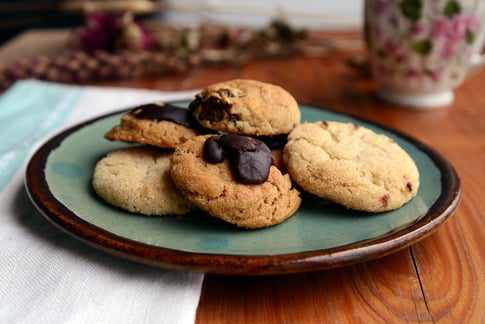
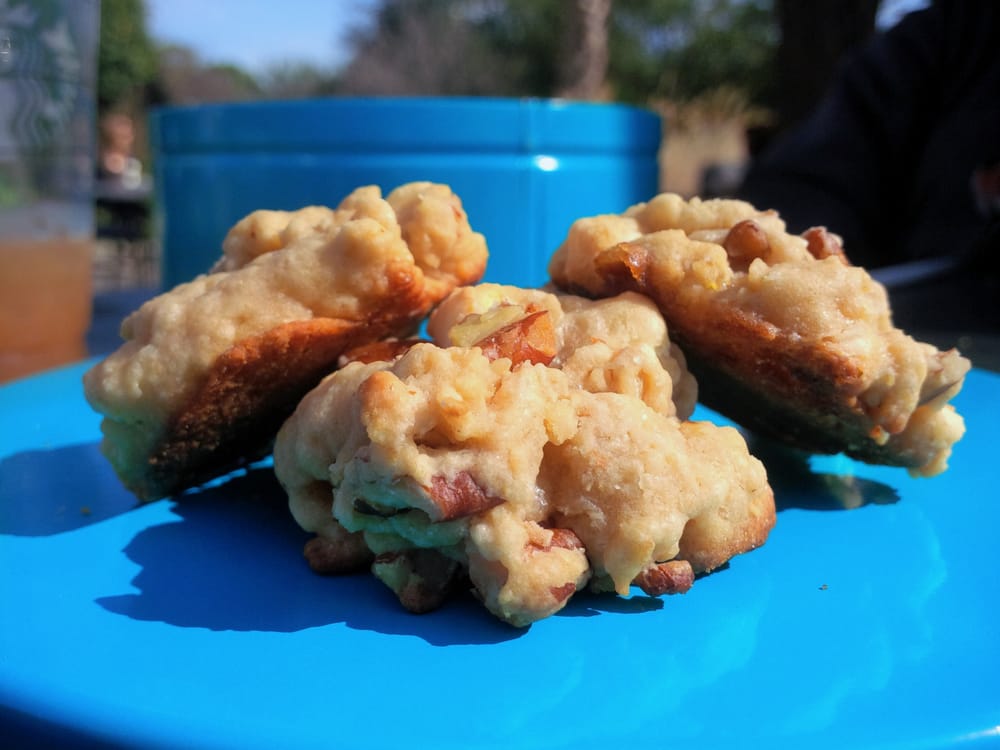
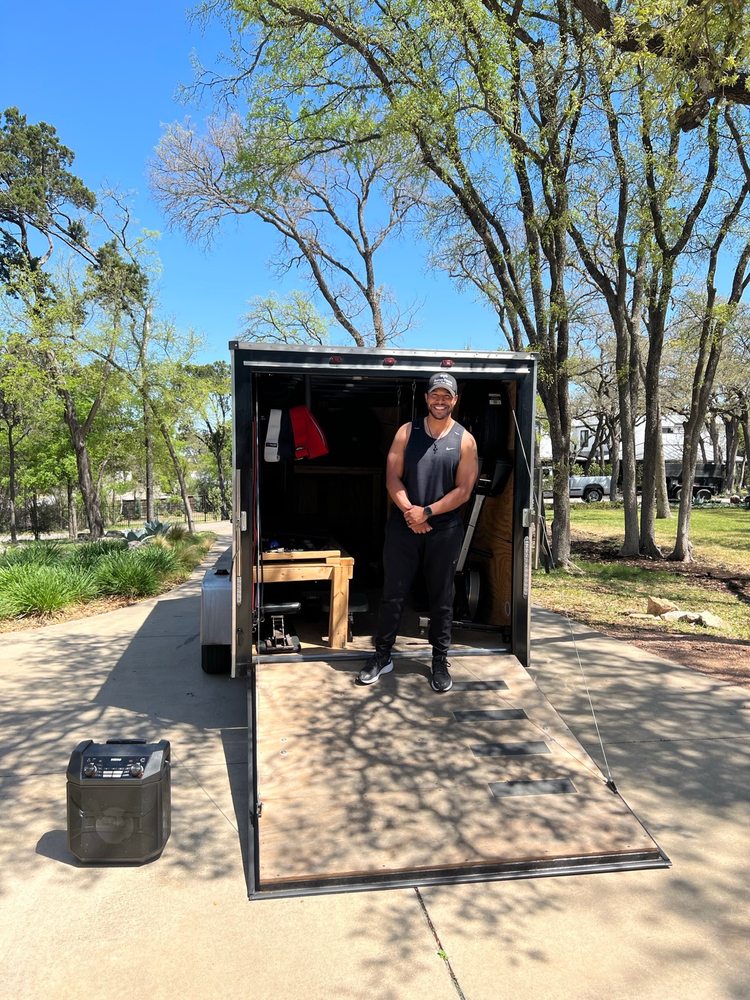
Explore popular things to do in the area, including Frank's Food Truck, A1 Bakery, and Moore Cookies.
| Name | Category | Distance | Reviews |
Ratings by
Yelp
|
|---|---|---|---|---|
| Dining | 0.06 miles | 0 reviews | 0/5 stars | |
| Dining | 0.18 miles | 0 reviews | 0/5 stars | |
| Dining · $ | 0.2 miles | 3 reviews | 4.7/5 stars | |
| Dining | 0.2 miles | 1 review | 1/5 stars | |
| Dining · $ | 0.2 miles | 0 reviews | 0/5 stars | |
| Dining | 0.2 miles | 0 reviews | 0/5 stars | |
| Dining | 0.21 miles | 0 reviews | 0/5 stars | |
| Dining · $$ | 0.21 miles | 3 reviews | 3/5 stars | |
| Shopping | 0.04 miles | 4 reviews | 3/5 stars | |
| Shopping | 0.2 miles | 0 reviews | 0/5 stars | |
| Active | 0.06 miles | 0 reviews | 0/5 stars | |
| Active | 0.06 miles | 3 reviews | 5/5 stars | |
| Active | 0.06 miles | 0 reviews | 0/5 stars | |
| Active | 0.13 miles | 1 review | 5/5 stars | |
| Active | 0.2 miles | 4 reviews | 5/5 stars | |
| Beauty | 0.06 miles | 0 reviews | 0/5 stars | |
| Beauty | 0.15 miles | 1 review | 5/5 stars | |
| Beauty | 0.2 miles | 0 reviews | 0/5 stars | |
| Beauty | 0.2 miles | 0 reviews | 0/5 stars | |
| Beauty | 0.2 miles | 2 reviews | 3/5 stars | |
| Beauty | 0.2 miles | 1 review | 1/5 stars | |
| Beauty | 0.2 miles | 0 reviews | 0/5 stars | |
| Beauty | 0.21 miles | 1 review | 1/5 stars | |
| Beauty | 0.21 miles | 0 reviews | 0/5 stars | |
|
|
||||
|
|
||||
|
|
||||
|
|
||||
|
|
||||
|
|
Downtown Austin has 9,578 households, with an average household size of 1. Data provided by the U.S. Census Bureau. Here’s what the people living in Downtown Austin do for work — and how long it takes them to get there. Data provided by the U.S. Census Bureau. 14,069 people call Downtown Austin home. The population density is 14,898 and the largest age group is Data provided by the U.S. Census Bureau.
Total Population
Population Density Population Density This is the number of people per square mile in a neighborhood.
Median Age
Men vs Women
Population by Age Group
0-9 Years
10-17 Years
18-24 Years
25-64 Years
65-74 Years
75+ Years
Education Level
Total Households
Average Household Size
Average individual Income
Households with Children
With Children:
Without Children:
Marital Status
Blue vs White Collar Workers
Blue Collar:
White Collar:








Our team’s professionalism, attention to detail, market knowledge, and negotiation principles have allowed us to gain global strategy and precise data that ensures correct market value for buyers and sellers.